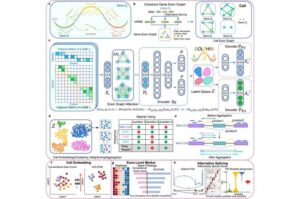
AI tool detects hidden warning signs of disease by analyzing genetic building blocks within cells
McGill University researchers have developed an artificial intelligence tool that can detect previously invisible disease markers inside single cells.

McGill University researchers have developed an artificial intelligence tool that can detect previously invisible disease markers inside single cells.

A new study by investigators from Mass General Brigham shows that a non-drug, wearable device can help people with substance-use disorders (SUD) manage stress, reduce cravings, and lower their risk of relapse in real time. Their results are published in JAMA Psychiatry.
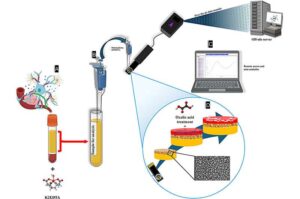
Scientists at the University of Liverpool have developed a new low-cost blood test that could make it easier to detect Alzheimer’s disease at an earlier stage—helping patients receive treatment and support sooner.

Flu season is fast approaching in the northern hemisphere. And a taste-based influenza test could someday have you swapping nasal swabs for chewing gum. A new molecular sensor has been designed to release a thyme flavor when it encounters the influenza virus.

A new way to treat asthma symptoms and even repair previously irreversible lung damage could be on the horizon following the discovery of a potential new therapeutic target by scientists at the Universities of Aberdeen and Manchester.
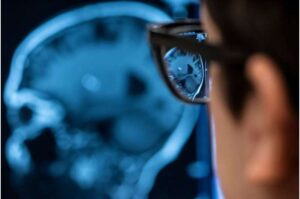
A new study led by University of California, Irvine’s Center for the Neurobiology of Learning and Memory researchers found that aging changes the brain’s overall shape in measurable ways. Instead of focusing only on the size of specific regions, the team used a new analytic method to see how the brain’s form shifts and distorts over time.
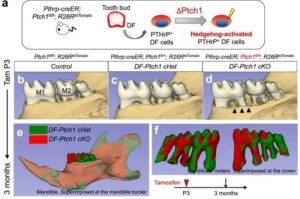
Two distinct stem cell lineages that drive tooth root and alveolar bone formation have been identified by researchers from Science Tokyo. Using genetically modified mice and lineage-tracing techniques, the team has shed light on the cell signaling mechanisms guiding differentiation in stem cells in the developing teeth, offering key insights for future regenerative dental therapies.
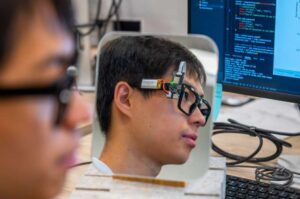
Penn researchers have developed an AI-powered device that turns ordinary glasses into a smart, energy-efficient health monitor by watching you blink.

New research from the MRC Laboratory of Medical Sciences (LMS) provides a powerful, scalable method for finding treatments for rare genetic diseases using tiny, transparent worms.
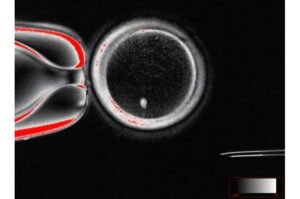
Researchers at Oregon Health & Science University have accomplished a unique proof of concept to treat infertility by turning skin cells into eggs capable of producing early human embryos. The research is published in Nature Communications.