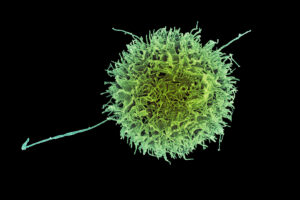
Engineered “natural killer” cells could help fight cancer
A new study identifies genetic modifications that make these immune cells, known as CAR-NK cells, more effective at destroying cancer cells.

A new study identifies genetic modifications that make these immune cells, known as CAR-NK cells, more effective at destroying cancer cells.
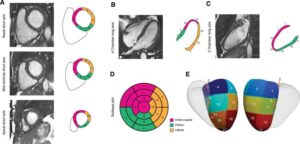
A major cardiovascular risk factor is thickening of the heart walls (hypertrophy), which can result from high blood pressure—but is also linked to inherited diseases of the heart which can lead to sudden death.

Scientists at the University of East Anglia and Oxford Biodynamics have developed a high accuracy blood test to diagnose chronic fatigue syndrome, also known as myalgic encephalomyelitis (ME/CFS).

In lieu of animal experiments, researchers from the University of Rochester are using state-of-the-art microchips with human tissue to better understand how the brain operates under healthy conditions and is damaged through neurodegenerative diseases or conditions like sepsis.
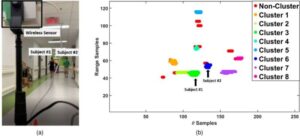
Engineering and health researchers at the University of Waterloo have developed a radar and artificial intelligence (AI) system that can monitor multiple people walking in busy hospitals and long-term care facilities to identify possible health issues.
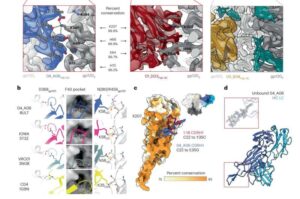
An international research team led by the University of Cologne has discovered an antibody that could advance the fight against HIV. The newly identified antibody 04_A06 proved to be particularly effective in laboratory tests. It was able to neutralize 98.5% of more than 300 different HIV strains, making it one of the broadest antibodies against HIV identified.
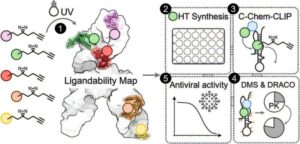
In a quest to develop new antiviral drugs for COVID-19 and other diseases, a collaboration led by scientists at The Wertheim UF Scripps Institute has identified a potential new drug against the virus that causes COVID-19.
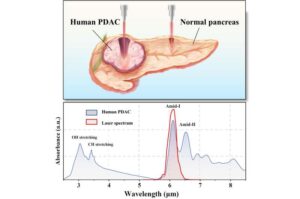
Researchers have developed a new laser-based technique that targets pancreatic ductal adenocarcinoma (PDAC) while leaving healthy tissue intact. PDAC is the most common type of pancreatic cancer and the third leading cause of death related to cancer.

A new way of diagnosing heavy bleeding after birth (postpartum hemorrhage or PPH) is more effective at identifying women in need of treatment than the current diagnostic method, suggests a meta-analysis published in The Lancet.
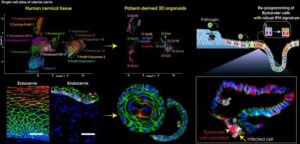
Cervical epithelial cells are far from passive bystanders in the body’s immune system. New research shows they actually play an active and highly coordinated role in detecting and fighting infections. That’s the conclusion of an international research team led by Associate Professor Cindrilla Chumduri from Aarhus University, published in the journal Science Advances.