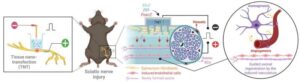
Novel gene-based therapy helps nerves heal better after severe injury
“This study is the first to combine tissue nanotransfection (TNT) with nerve graft surgery, and the results are promising.

“This study is the first to combine tissue nanotransfection (TNT) with nerve graft surgery, and the results are promising.
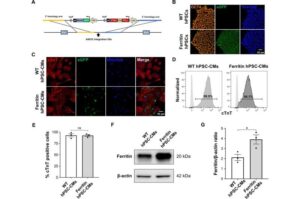
Researchers at the Institute of Biomedical Engineering at the University of Toronto have demonstrated a new way to monitor transplanted stem-cell-derived heart cells using magnetic resonance imaging (MRI).
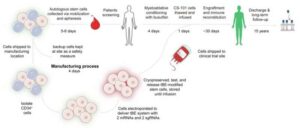
Stem cell transplantation could be a rapid and effective way to restore hemoglobin production in individuals with the blood disorder β-thalassaemia.
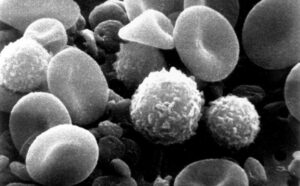
A new single-cell technology is giving scientists their clearest view yet of immune cell behavior—capturing not just genetic intent, but real-time activity.

Carnegie Mellon researchers have proven that widely available earbuds can double as heart-monitoring devices, capturing subtle cardiac activity with near-clinical accuracy and potentially expanding access to long-term, at-home care.
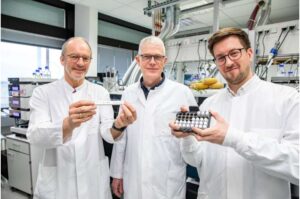
Now, a research team led by Prof. Dr. Kai Wollert, Head of Molecular and Translational Cardiology at the Department of Cardiology and Angiology at Hannover Medical School (MHH), has discovered that a microprotein called BRICK1 plays a key role in this process.
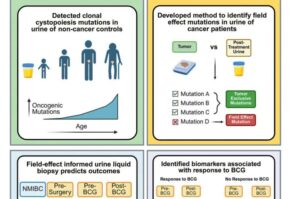
A new study published in Cell from a team of investigators from the Stanford Departments of Urology and Radiation Oncology, in close collaboration with colleagues from Stanford Cancer Institute, offers a powerful new approach: using a non-invasive urine test to determine, at a molecular level, who benefits from additional therapy—and who does not.

Researchers uncovered how cells selectively destroy certain microRNAs — key gene regulators — through a mechanism that requires two RNA signals working together.
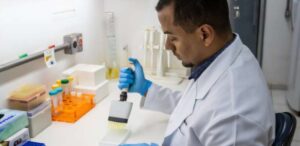
A new blood test combined with a standardized questionnaire and artificial intelligence may transform the way leprosy is diagnosed in Brazil.
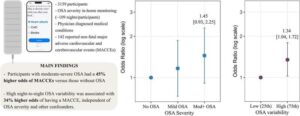
People whose sleep apnea changes dramatically from night to night are 30% more likely to have a heart attack, stroke, or heart failure, reveals a new study from Flinders University.