
New cell signaling pathway found to shield blood vessels from hypertension damage
By creating artificial aging in mice, researchers at Lund University in Sweden have been able to track the formation of aneurysms in the walls of blood vessels.

By creating artificial aging in mice, researchers at Lund University in Sweden have been able to track the formation of aneurysms in the walls of blood vessels.
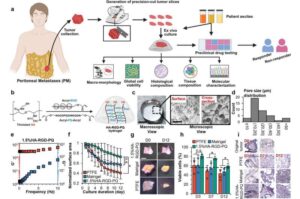
A new hydrogel-based platform to preserve live patient-derived tumor tissues in the lab could pave the way for faster, more accurate testing of cancer treatments for patients with peritoneal metastases, a hard-to-treat and often deadly form of abdominal and pelvic cancers.
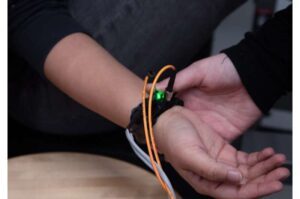
Researchers have shown, for the first time, that speckle contrast optical spectroscopy (SCOS) can be used for cuffless blood pressure monitoring. The new technology could improve early detection and management of hypertension.

Lifecare said on social media that it completed a significant milestone in the development of its continuous glucose monitor (CGM) implant.
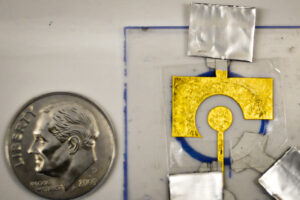
Electrodes coated with DNA could enable inexpensive tests with a long shelf-life, which could detect many diseases and be deployed in the doctor’s office or at home.

New cutting-edge software developed in Melbourne can help uncover how the most common heart tumor in children forms and changes. And the technology has the potential to further our understanding of other childhood diseases, according to a new study.

Mouse models are central to drug development, including treatments for neurological disorders, such as Parkinson’s disease. Such diseases often affect movement, and treatments may need to relieve symptoms such as tremors.
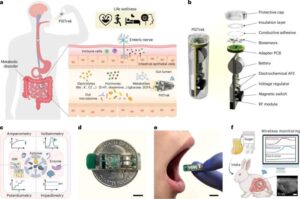
Scientists are increasingly finding that the gastrointestinal (GI) tract plays a vital role in our overall health. While its main functions center around digestion, the GI tract is also involved in the production of hormones, immune cells, and even neurotransmitters that can affect mood and brain function. As such, the GI tract is host to many different biomarkers that can be useful for identifying, monitoring, and treating disease—everything from short-chain fatty acids that are indicators of metabolic syndrome to cytokines that are biomarkers of inflammation.

Inne, a healthtech startup empowering women to understand their reproductive health, has ‘broken through decades of stagnation’ in women’s health and become what it says is the first new tech-enabled contraception to receive certification in the UK and Europe with its Minilab saliva test device.

A research team led by the University of the Basque Country has identified hundreds of molecular markers in saliva that could reveal the risk of a person developing major diseases such as cancer, cardiovascular diseases, diabetes and neurodegenerative diseases. Their results, published in npj Genomic Medicine, lay the foundation for the development of a powerful, non-invasive tool for early diagnosis and precision medicine.