3D-printed tissue brings new realism to medical training
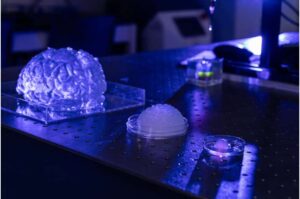
Researchers at the University of Minnesota Twin Cities have successfully 3D printed lifelike human tissue structures that can be used for medical training for surgeons and doctors

Researchers at the University of Minnesota Twin Cities have successfully 3D printed lifelike human tissue structures that can be used for medical training for surgeons and doctors

One of the first randomized controlled trials assessing the effectiveness of a large language model (LLM) chatbot known as “Amanda” for relationship support shows that a single session of chatbot therapy can be as beneficial as evidence-based journaling in assisting with relationship conflict resolution.

Georgia Tech and Vanderbilt researchers have built the first lung-on-a-chip with a working immune system, a breakthrough with the potential to reshape how we study disease, move beyond animal testing, and administer lifesaving therapies.

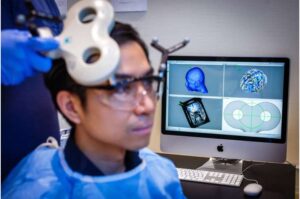
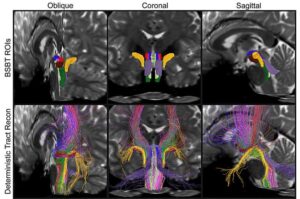
Over the past few decades, biomedical researchers and neuroscientists have devised increasingly advanced techniques to study and alter neurophysiological processes.

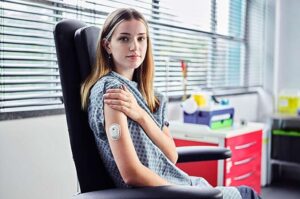
iAmbientHealth tracks vital signs such as heart rate, respiration, movement, and bed exit, leveraging radar technology.

The study introduced LIME-seq, a new non-invasive technique capable of detecting RNA modifications at a detailed level across different RNA types.

Medtronic (NYSE: MDT)+
today reported the first patient treated with its Altaviva neuromodulation device for urge urinary incontinence.

RMIT researchers have created an experimental 3D-printed diamond–titanium device that generates electricity from flowing liquid and receives wireless power through tissue making it possible to remotely sense changes in flow.

As a wound heals, it goes through several stages: clotting to stop bleeding, immune system response, scabbing, and scarring. A wearable device called “a-Heal,” designed by engineers at the University of California, Santa Cruz, aims to optimize each stage of the process.

Maintaining balance while walking may seem automatic—until suddenly it isn’t. Gait impairment, or difficulty with walking, is a major liability for stroke and Parkinson’s patients. Not only do gait issues slow a person down, but they are also one of the top causes of falls. And solutions are often limited to time-intensive and costly physical therapy.