
Tandem secures CE mark for AID systems in T2D and T1D with pregnancy
The regulatory clearance covers the t:slim X2 and Tandem Mobi insulin pumps with Control-IQ+ technology.

The regulatory clearance covers the t:slim X2 and Tandem Mobi insulin pumps with Control-IQ+ technology.
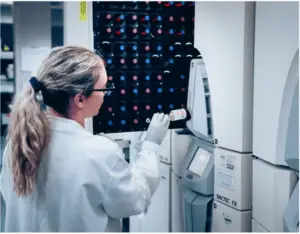
The automated system is now available in the US, offering faster bloodstream infection detection and higher vial-loading capacity for high-throughput microbiology laboratories.

The app-integrated tool automates left ventricular ejection fraction assessment, supporting real-time cardiac evaluation in primary care and emergency settings.
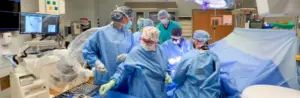
The procedure is comparable to hip and knee replacement surgeries, where a prosthetic implant is used to replace damaged joint surfaces

Medtronic (NYSE:MDT) announced today that it received FDA 510(k) clearance for its Nellcor pulse oximetry system with the Nell-EQ intelligent processor.
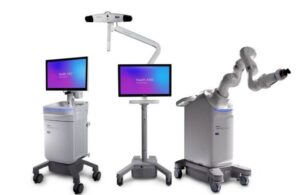
Medtronic (NYSE:MDT) today announced the receipt of CE mark approval for its Stealth AXiS surgical system for ENT procedures.
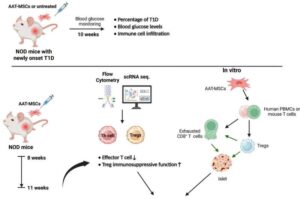
A group of researchers at the Medical University of South Carolina (MUSC) has recently developed a new stem cell therapy with a remarkable ability to reverse new-onset type 1 diabetes (T1D) in a mouse model of the disease. The work is published in the journal Molecular Therapy.
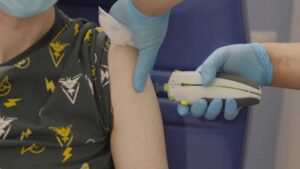
The first human clinical trial of a universal Sarbeco coronavirus vaccine, developed by the University of Cambridge and spin-out DIOSynVax (DVX) Ltd, has shown that the vaccine is safe and has no significant side effects.

The new vaccine aims to produce an immune response that will protect against many pathogens—including some circulating among wild animals that might jump into humans in the future.

A Phase III clinical trial led by Neeraj Agarwal, MD, FASCO, senior director of clinical research at Huntsman Cancer Institute and professor of internal medicine at the University of Utah (the U), has found that a combination prostate cancer treatment could prevent the disease from progressing into a harder-to-treat form of cancer in select patients.