AbbVie snags FDA’s first ADC approval for ultra-rare blood cancer
Decnupaz is the first antibody-drug conjugate for blastic plasmacytoid dendritic cell neoplasm, an ultra-rare and aggressive blood cancer.

Decnupaz is the first antibody-drug conjugate for blastic plasmacytoid dendritic cell neoplasm, an ultra-rare and aggressive blood cancer.
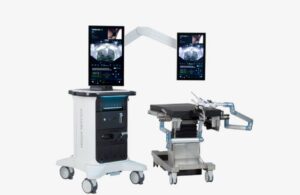
Procept BioRobotics (Nasdaq:PRCT) announced today that it received FDA investigational device exemption (IDE) for a second Aquablation evaluation.
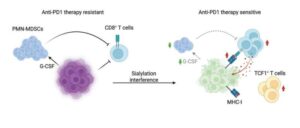
An international research team led by the Medical University of Vienna has now identified a previously underestimated mechanism by which breast tumors evade the immune system.

In people with epilepsy, a new study has found a smartwatch application accurately detected tonic-clonic seizures, seizures with major convulsions, with a low rate of false alarms. The study was published in Neurology Open Access.

A single blood test could help doctors predict how lung cancer patients will respond to treatment before therapy begins, researchers have found. University of Queensland-led research focused on non-small cell lung cancer (NSCLC), the most common form of the disease, and showed how analyzing proteins in a blood sample could support earlier and better-informed treatment decisions.
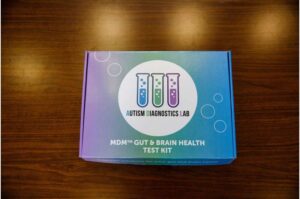
The research, published in Molecular Psychiatry, points to a consistent biological pattern in many children with autism—elevated levels of specific metabolites in the gut.
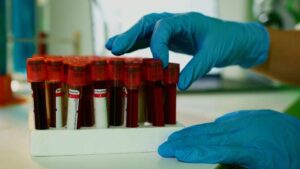
A simple blood test could one day replace invasive biopsies for detecting acute cellular rejection (ACR) after lung transplantation, an American Journal of Transplantation study finds.

Researchers at Rice University with the support of the Rice Biotech Launch Pad have developed a cytokine factory patch designed to address this challenge by continuously producing and delivering therapeutic cytokines directly within the wound environment.
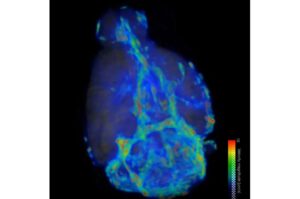
Kelley and his colleagues from the University of Rochester, Brown University, and the University of Copenhagen turned to artificial intelligence for help.
SINGAPORE, May 27, 2026 /PRNewswire/ — Gene Solutions, a global biotechnology company advancing accessible genomic solutions for cancer detection and precision oncology, today announced that the U.S. Food and Drug Administration has granted Breakthrough Device Designation to SPOT-MAS 10, its multi-omic blood test designed to detect cancer-associated signals.