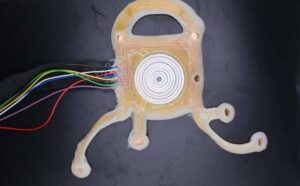
Get better sleep with ultrasound patch that boosts REM rest
A University of Texas at Austin-led team of researchers has developed a noninvasive patch that boosts REM sleep in real-world trials without surgery or medication.

A University of Texas at Austin-led team of researchers has developed a noninvasive patch that boosts REM sleep in real-world trials without surgery or medication.
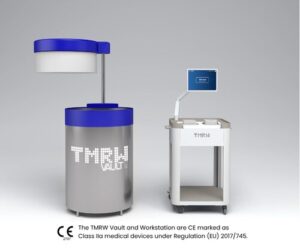
WILMINGTON, Del., July 6, 2026 /PRNewswire/ — Reprotech today announced that the TMRW Vault® has received CE marking as a Class IIa medical device under Regulation (EU) 2017/745, supporting commercialization in the European Union and other international markets that recognize the CE mark.
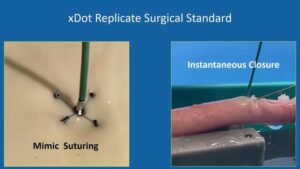
xDot Medical announced today that it received FDA investigational device exemption (IDE) approval for its access management system (AMS).
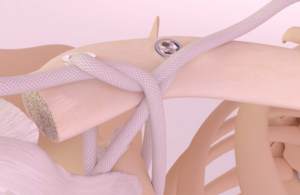
Movmedix announced today that it received FDA 510(k) clearance for its third-generation LARS ACJ synthetic ligament implant platform.
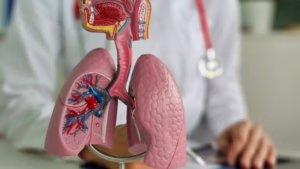
The CE marking by GMED recognises compliance with patient safety and clinical efficacy for Class IIb devices.
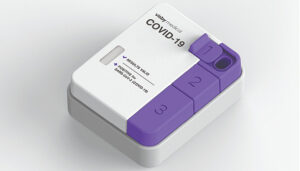
Visby’s multi-viral Medical Flu and Covid-19 test yields results in 30 minutes.
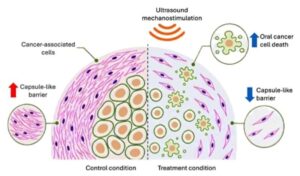
In a new study, researchers at the Indian Institute of Science (IISc), in collaboration with clinicians at MS Ramaiah Medical College and Hospitals, explored whether low-frequency ultrasound mechanical stimulation could selectively kill oral cancer cells.
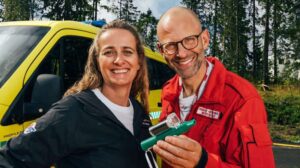
Researchers have finally identified an effective alternative for providing pain relief during the earliest phase of prehospital care, when establishing intravenous access can be difficult. The study is published in The Lancet journal.
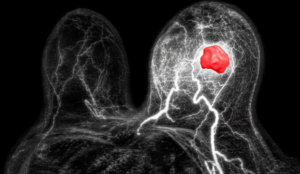
Quibim has announced the European and UK launch of QP-Breast, its CE and UKCA-marked AI tool – the first in Europe and the United Kingdom to detect breast cancer using magnetic resonance imaging – which automatically identifies suspected lesions on breast MRI.

A study published in PLOS One by Yao Zhao at Temple University, U.S., and colleagues suggests that wearable devices can provide accurate, longitudinal sleep data to facilitate analyses of changing sleep patterns over time.