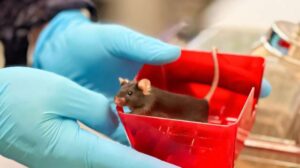
Researchers successfully treat hereditary epilepsy in a mouse model
In a world first, a research team at the University of Zurich has successfully treated mice carrying an inherited form of epilepsy.

In a world first, a research team at the University of Zurich has successfully treated mice carrying an inherited form of epilepsy.

The study, published in Alzheimer’s & Dementia, showed that having a biological age older than chronological age is associated with a greater likelihood of developing dementia, particularly vascular dementia, and with an earlier age of onset across dementia subtypes.
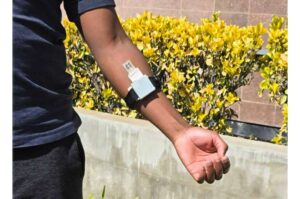
University of California, Irvine researchers have invented a wearable, wireless, battery-free, bioelectronic sensor to monitor users’ health by analyzing molecular biomarkers in human sweat.

A urine test developed by scientists at the University of Cambridge has moved a step closer to clinical use following new findings revealing it could do more than first thought.
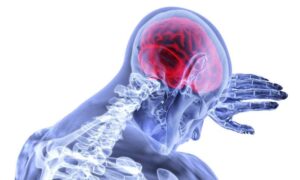
Using ultrasound to stimulate a specific part of the brain could offer a noninvasive therapy that benefits those experiencing chronic pain, a new study has suggested.

IVDR-compliant PCR test supports detection of 11 clinically relevant gastrointestinal pathogens from 1 sample
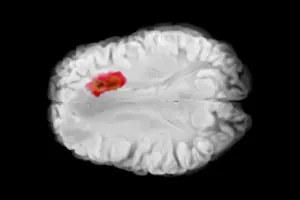
Glioblastoma is one of the deadliest forms of brain cancer, and despite surgery, radiation, and chemotherapy, the disease almost always returns. Part of the reason is that these tumors are remarkably good at evading the immune system.
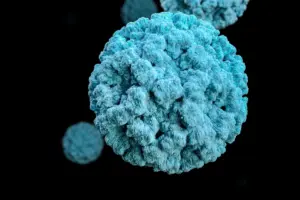
A virus many people associate with sick puppies is once again spreading across parts of the U.S., but this outbreak involves a completely different virus that infects humans.

The body can notice stress before the conscious brain — and that’s no lie
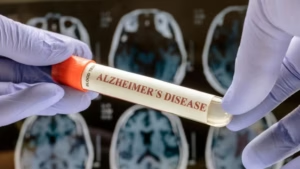
The CE mark was granted based on data from retrospective studies in real-world early cognitive decline population.