
New imaging technique reveals bone building at a microscopic level
Biomedical scientists have developed a new nanoscale imaging technique that allows researchers to directly see how bone-forming cells use nutrients and build bone inside the body.

Biomedical scientists have developed a new nanoscale imaging technique that allows researchers to directly see how bone-forming cells use nutrients and build bone inside the body.
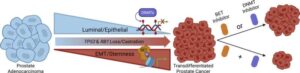
About 1 in 8 men are diagnosed with prostate cancer during their lifetime. Although many survive, it can develop into metastatic disease.
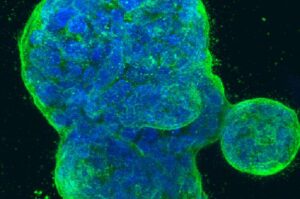
Australian researchers have uncovered a promising new way to tackle one of the most aggressive forms of breast cancer, raising hopes for more effective treatments to stop the disease from spreading.
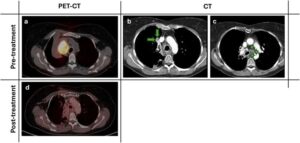
A patient with advanced, treatment-resistant lung cancer became tumor-free after treatment with the selenium compound selenite. This is shown in a new study from Karolinska University Hospital and Karolinska Institutet published in the journal Oncology and Therapy as a case report. The findings may contribute to increased knowledge about selenite as a possible cancer treatment.
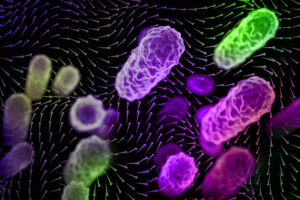
Researchers explore how a key factor can mitigate or promote tuberculosis transmission.

C2N’s Alzheimer’s test is the first to be FDA-cleared for use in patients as young as 40 who present with cognitive impairment symptoms.
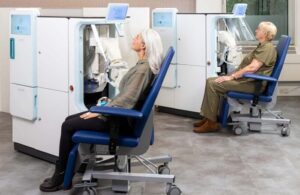
The FDA granted de novo classification to a standalone robotic device that can draw blood from a patient’s arm without a hands-on operator.

VADUZ, Liechtenstein, Aug. 21, 2026 /PRNewswire/ — Implantica AG (publ.), a medtech company at the forefront of introducing advanced technology into the body, announced today that the U.S. Food and Drug Administration (FDA) has granted Premarket Approval (PMA) for RefluxStop®, the company’s implant-based treatment for gastroesophageal reflux disease (GERD). The approval allows Implantica to begin commercial launch activities in the United States, the world’s largest medical device market.
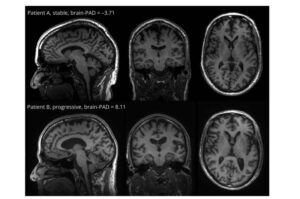
Memory clinics still rely on visual rating scales to assess brain atrophy, yet these tools lack the sensitivity to catch subtle changes associated with early dementia. A measure of how old a person’s brain appears on brain scans compared with their actual age might be a potential predictor of who is more likely to develop dementia over the years, reports a new study published in Neurology.
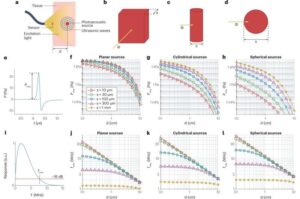
Scientists have published the most comprehensive analysis to date of ultrasound detectors underpinning photoacoustic tomography (PAT)—a fast-emerging medical imaging technology capable of revealing blood vessels, tumors and tissue function deep inside the body.