MannKind wins FDA approval for inhaled insulin for children with type 1, type 2 diabetes
MannKind (Nasdaq:MNKD) announced today that it received FDA approval for its Afrezza inhaled insulin powder for children.

MannKind (Nasdaq:MNKD) announced today that it received FDA approval for its Afrezza inhaled insulin powder for children.

A new brain imaging test can detect a key hallmark of Alzheimer’s disease before symptoms appear and earlier than the method currently used in clinical practice in the United States and Europe, report University of Pittsburgh School of Medicine researchers in The Lancet.

Researchers at the University Medical Center Göttingen (UMG) and the University Hospital of Schleswig-Holstein (UKSH) have made a significant breakthrough in the treatment of severe heart failure: For the first time, a clinical trial has demonstrated that laboratory-grown heart muscle tissue can improve the pumping function of damaged hearts.

Scientists have developed a powerful new technique that allows them to observe how individual cells manufacture proteins during aging, offering an unprecedented glimpse into the hidden molecular activity of stem cells in living tissue.

Brain tumor growth may depend not only on cancer-causing mutations, but also on the molecular conditions in specific brain regions.

Decnupaz is the first antibody-drug conjugate for blastic plasmacytoid dendritic cell neoplasm, an ultra-rare and aggressive blood cancer.

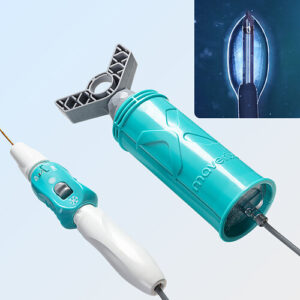
Procept BioRobotics (Nasdaq:PRCT) announced today that it received FDA investigational device exemption (IDE) for a second Aquablation evaluation.

An international research team led by the Medical University of Vienna has now identified a previously underestimated mechanism by which breast tumors evade the immune system.

In people with epilepsy, a new study has found a smartwatch application accurately detected tonic-clonic seizures, seizures with major convulsions, with a low rate of false alarms. The study was published in Neurology Open Access.

A single blood test could help doctors predict how lung cancer patients will respond to treatment before therapy begins, researchers have found. University of Queensland-led research focused on non-small cell lung cancer (NSCLC), the most common form of the disease, and showed how analyzing proteins in a blood sample could support earlier and better-informed treatment decisions.