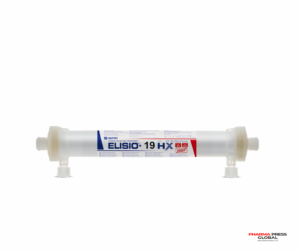
NIPRO CORPORATION Receives FDA 510(k) Clearance for ELISIO™-HX, Introducing HDs to the United States
New medium-cutoff Dialyzer with a Super High-flux membrane brings NIPRO’s approach to expanded hemodialysis to United States healthcare providers.

New medium-cutoff Dialyzer with a Super High-flux membrane brings NIPRO’s approach to expanded hemodialysis to United States healthcare providers.
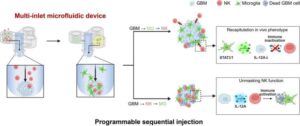
A joint research team led by professors Sungsu Park of Sungkyunkwan University and Sun-Ha Paek of Seoul National University College of Medicine has demonstrated for the first time that the sequence in which immune cells interact with cancer cells can critically influence the therapeutic response in glioblastoma.
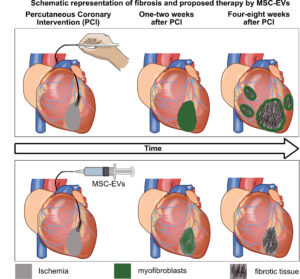
Many people who survive a heart attack will later develop heart failure due to the scarring that occurs as the heart heals.
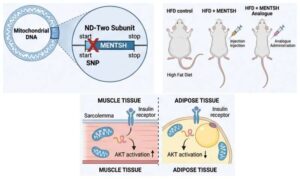
A previously unknown microprotein hidden within the human mitochondrial genome may help explain certain forms of type 2 diabetes and could point toward a new precision medicine approach to treating it, according to a new USC study.
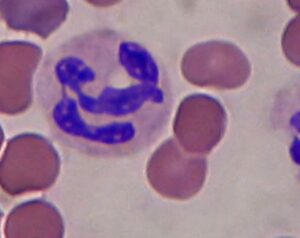
A scientific collaboration between the University of Bath (UK) and the UMass Chan Medical School (U.S.) has determined how a specific type of white blood cell—neutrophils—moves through the body.

Total Flow Medical announced today that it received FDA 510(k) clearance for its TFA femoral arterial cannula device.

Medical Microinstruments (MMI) announced today that the FDA approved a supplement to a study of its surgical robot in Alzheimer’s.

PITTSBURGH, July 29, 2026 /PRNewswire/ — Viatris Inc. (Nasdaq: VTRS), a global healthcare company, today announced that the U.S. Food and Drug Administration (FDA) has approved Gwyn Lo™ (norelgestromin and ethinyl estradiol transdermal system). Gwyn Lo is a new combined hormonal contraceptive (CHC) patch with low-dose estrogen. The patch has demonstrated contraceptive efficacy for women of childbearing potential with a body mass index (BMI) below 30 kg/m² who are appropriate candidates for CHC. The Gwyn Lo dosage is norelgestromin 220 mcg/day and ethinyl estradiol 20 mcg/day.

WEST ORANGE, N.J., July 29, 2026 /PRNewswire/ — Researchers from RWJBarnabas Health and Rutgers Robert Wood Johnson Medical School found that an artificial intelligence (AI)-enabled early warning system helped identify hospitalized patients at risk of rapid clinical decline sooner, contributing to fewer deaths among high-risk patients.

Carea, the pregnancy and postnatal wellbeing app, has launched Carea Connect, a service that analyses a woman’s wellbeing data to identify when additional support may be beneficial and proactively connects her with the right maternal health expe