
Masimo gets FDA clearance for pediatric patient state index platform
Danaher’s (NYSE:DHR) Masimo unit announced today that it received FDA 510(k) clearance for its Patient State Index (PSi) for pediatric patients.

Danaher’s (NYSE:DHR) Masimo unit announced today that it received FDA 510(k) clearance for its Patient State Index (PSi) for pediatric patients.

The movements of a surgeon in a procedure—called “surgical gestures”—can be used to predict patient recovery, according to Cedars-Sinai investigators. Their findings, published in npj Digital Medicine, suggest this technology could help surgeons refine their techniques and improve patient outcomes.
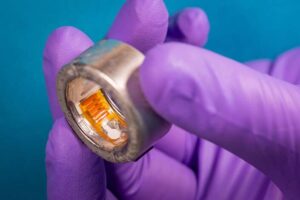
Engineers at the University of California San Diego created a smart ring that simultaneously and continuously monitors up to four different chemical biomarkers from finger sweat. The biomarkers the smart ring can monitor in sweat are glucose, ketones, vitamin C, uric acid, lactate and alcohol.
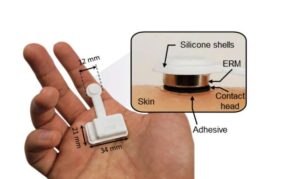
Northwestern scientists have developed a novel wireless sensor device that can continuously monitor skin elasticity in patients with soft tissue disorders, including lymphedema and scleroderma, which can support early disease detection and better inform care strategies, as detailed in a study published in Science Advances.
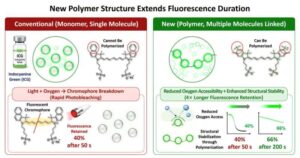
Researchers in Korea have developed a new near-infrared (NIR) fluorescent dye with significantly improved photostability, overcoming the rapid signal fading that has long limited fluorescence imaging during surgery for cancer, lymph node mapping and other medical procedures.

Biomedical engineers at Duke University have developed an injectable biomaterial that helps transform the cavity left behind after a stroke caused by a blood clot into an environment more supportive of repair. By recruiting the body’s own immune cells, the treatment promoted the growth of new blood vessels, supported neural remodeling and improved motor performance in mice. The work appears in Cell Biomaterials.
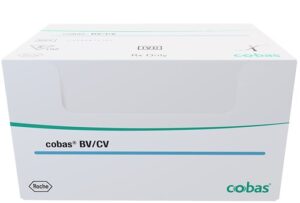
INDIANAPOLIS, July 24, 2026 /PRNewswire/ — Roche (SIX: RO, ROG; OTCQX: RHHBY) announced today that it has received U.S. Food and Drug Administration (FDA) 510(k) clearance for its cobas® BV/CV (Bacterial vaginosis/Candida vaginitis) assay. This molecular diagnostic test provides results for both Bacterial vaginosis (BV) and Candida vaginitis (CV) from a single vaginal swab sample. It enables accurate and timely results that can lead to improved patient outcomes and enhanced healthcare efficiencies.
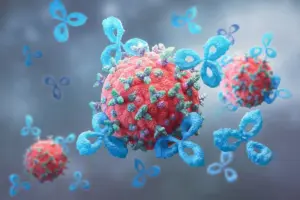
Here are some of the latest cancer breakthroughs in research, testing, and treatment.

The platform is intended for use by dental professionals, dental service organisations, and imaging centres.
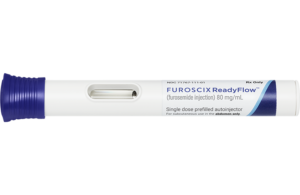
MannKind (Nasdaq:MNKD) announced today that it secured $50 million in a private placement and earned a new regulatory nod.