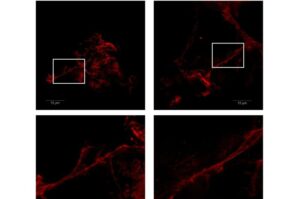
Brain immune cells may help build Alzheimer’s plaques
A new study led by researchers from VIB and KU Leuven shows that immune cells called microglia can actively promote the formation of plaques in Alzheimer’s disease.

A new study led by researchers from VIB and KU Leuven shows that immune cells called microglia can actively promote the formation of plaques in Alzheimer’s disease.
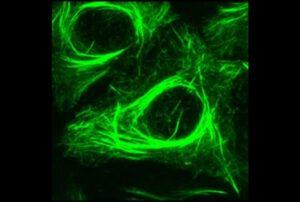
A gene called FOXJ1 may drive resistance to taxane chemotherapy during treatment for advanced prostate cancer, according to a new study led by investigators at Weill Cornell Medicine and Beth Israel Deaconess Medical Center.
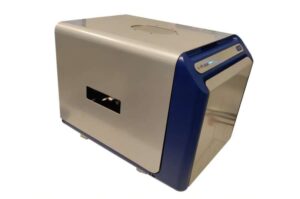
In a significant advancement for lab-on-chip technology, IBEC researchers in the frame of the European project BLOC, have demonstrated the first integration of a benchtop nuclear magnetic resonance (NMR) spectrometer with a microfluidic cell culture platform capable of real-time metabolic monitoring,

Researchers from the University of California San Diego have found that a novel blood-based biomarker can predict a woman’s risk of developing dementia as many as 25 years before symptoms appear.
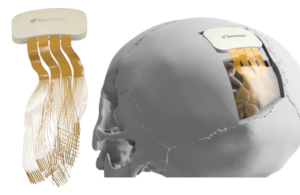
ReVision Implant announced today that it received FDA breakthrough device designation for its Occular visual cortical prosthesis.
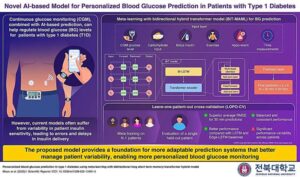
A research team led by Professor Jaehyuk Cho from the Department of Software Engineering at Jeonbuk National University in South Korea, have developed an innovative model, named BiT-MAML, aimed at tackling inter-patient variability in BG prediction.
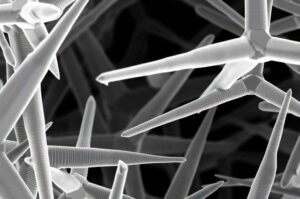
Researchers at Kiel University (CAU) have now developed a novel 3D material on which human brain cells can grow and exchange signals in the lab.

New product line extends options to better meet patient needs

LifeVac is approved for use as a single-use, non-powered, non-invasive airway clearance device.
Cedars-Sinai investigators working to optimize a cell-based treatment for retinitis pigmentosa have uncovered how transplanted neural stem cells interact with host retinal cells to preserve vision.