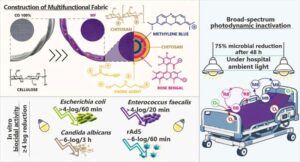
A self-disinfecting fabric eliminates bacteria, fungi and viruses in hospital settings
A team has developed a new self-disinfecting cotton fabric capable of eliminating bacteria, fungi and viruses in hospital settings using visible light.

A team has developed a new self-disinfecting cotton fabric capable of eliminating bacteria, fungi and viruses in hospital settings using visible light.

Scientists at The Wistar Institute have identified a combination treatment that overcomes two of the biggest barriers to immunotherapy in glioblastoma.
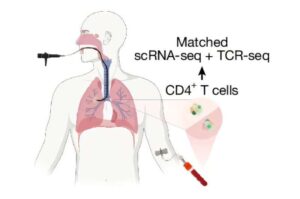
A ‘rising fog’ may cloud the immune system’s ability to detect tumors and may be the key to tackling lung cancer that is developing years before diagnosis. The team at University College London (UCL) followed this signal using prototype blood tests and reversed it using drugs.
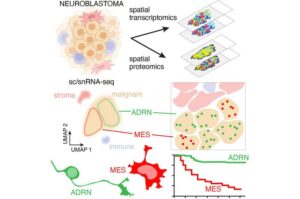
Neuroblastoma is the most common solid tumor found outside the brain in children, yet why some children respond well to treatment while others do not has remained poorly understood.
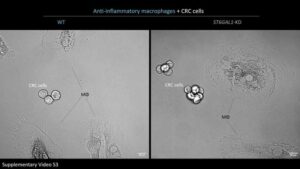
Our bodies contain immune cells called macrophages. Normally, these cells attack and suppress bacteria and cancer cells. However, when macrophages infiltrate tumors, they can become tumor-associated macrophages (TAMs) and can switch to an immunosuppressive, anti-inflammatory state.

SEATTLE and SAN DIEGO, Oct. 8, 2026 /PRNewswire/ — Monod Bio and BPS Bioscience today announced a non-exclusive licensing agreement covering Monod Bio’s LuxSit Pro de novo luciferase and NovoBody binding proteins. BPS plans to integrate the technologies into the development of innovative research products and services for drug discovery and life science applications.
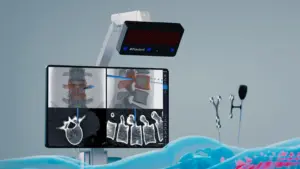
ClaroNav Kolahi has received certification under the European Union Medical Device Regulation (MDR) for its Navient Surgical Navigation System, covering the Navient Image Guided Navigation System and its reusable surgical instruments, allowing the company to continue offering Navient throughout the European Union under the EU MDR regulatory framework.
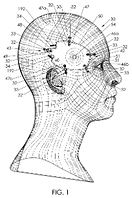
Newly cleared CraniUS® Plate configuration, designated NeuroPASS 2, adds an opening designed to accommodate an implantable intracranial pressure sensor; issued patent protects the integrated drug delivery architecture at the heart of NeuroPASS 3.
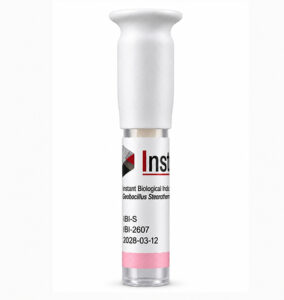
TOLEDO, Ohio, Oct. 7, 2026 /PRNewswire/ — True Indicating, LLC today announced they received FDA clearance of InstaTRU™, an instant biological indicator for steam sterilization cycles that provides results in just 20 seconds. Using spore-based technology, InstaTRU™ confirms the efficacy of a steam sterilization cycle without requiring an incubator or reader.
Their new study, published Oct. 7 in Nature, solves a decades-old scientific puzzle and reveals that a critical inflammatory signaling pathway doesn’t just summon immune cells to the place where they’re needed—it also protects healthy cells from being damaged by the immune response.