
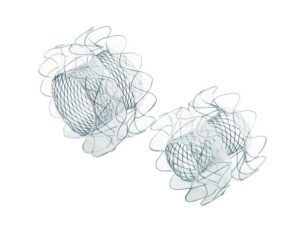
FDA grants 510(k) clearance to TaeWoong Medical for Spaxus EUS stent
TaeWoong Medical, the fully covered, self-expanding metallic device, is intended to aid EUS drainage procedures.
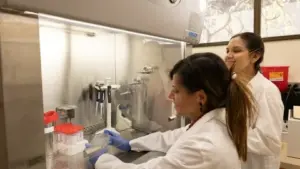
UNM Scientist Studies Where Brain Cancer Cells Hide and How to Fight Them
https://medtechspectrum.com/news/40/25517/unm-scientist-studies-where-brain-cancer-cells-hide-and-how-to-fight-them.html
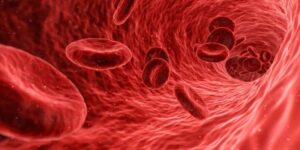
Scientists recruit red blood cells to deliver genetic cargo with instructions to kill cancer
Scientists have developed a way to turn the body’s own immune cells into cancer-fighting agents—without removing them from the body—by using red blood cells to deliver genetic instructions.

Experimental KRAS G12D drug slows cancer growth, shrinks tumors in early test
A first-in-human clinical trial led by an international team of researchers and published in the New England Journal of Medicine found that setidegrasib, an investigational targeted therapy drug designed to eliminate a key cancer-driving protein called KRAS G12D, shows encouraging early activity in patients with advanced lung and pancreatic cancers.

Beacon Biosignals is mapping the brain during sleep
Founded by Jake Donoghue PhD ’19 and former MIT researcher Jarrett Revels, the company is creating an AI-driven platform to help diagnose and treat disease.
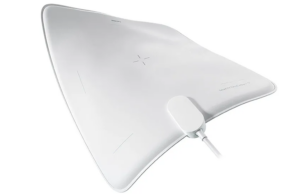
Philips gets FDA clearance for flexible MR coil
Philips (NYSE:PHG) announced that it received FDA 510(k) clearance for its Smart Fit TorsoCardiac magnetic resonance (MR) 1.5T coil.

Agitated Solutions wins CE mark for cardiac microbubble generator device
Agitated Solutions announced that it received CE mark approval for its novel Orbis microbubble generator device.

Zeta Surgical earns FDA nod for surgical navigation instruments
Zeta Surgical announced today that the FDA granted 510(k) clearance for its Zeta Navigation System and its navigated Stylet and Bolt instruments.