

Vibrating pill could help predict relapse risk for anorexia nervosa patients
Now, a vibrating pill could help doctors determine whether a patient with anorexia nervosa may have a higher risk of relapse, according to a new study by UCLA Health.

How a flash of light could help the brain learn new skills
A new University of Otago—Ōtākou Whakaihu Waka-led study has put its own spin on Pavlov’s dog experiment, shining a light on how our brain learns new things. The study, “The superior colliculus gates dopamine responses to conditioned stimuli in visual classical conditioning” is published in Nature

An experimental molecule ‘reprograms’ the brain’s defenses against Alzheimer’s disease
A team has identified an experimental molecule capable of “reprogramming” the brain’s immune cells to restore part of their protective function against Alzheimer’s disease. The study, published in the journal Cell Death and Disease, shows that the compound, called OLE, helps microglia enclose and contain beta-amyloid plaques, reducing their size and toxicity.
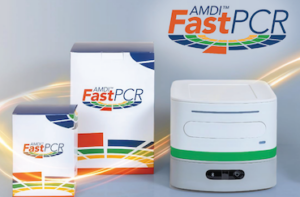
AMDI™ Fast PCR System Receives FDA 510(k) Clearance and CLIA Waiver for Sub-10-Minute Respiratory Panel
The AMDI™ Mini Respiratory Panel delivers RT-PCR results in under 10 minutes, enabling clinical action in the Time of Care™

Oculogica wins FDA clearance for 90-second concussion test
Oculogica announced earlier this month that it won FDA 510(k) clearance for the SNAP concussion test.

Distalmotion gets FDA nod to expand Dexter surgical robot indications to gynecology
Distalmotion announced today that it received FDA 510(k) clearance for its Dexter surgical robot in a range of gynecology procedures.

Retinal photographs can help predict Alzheimer’s disease risk factors
Often called “the window to the soul,” the eyes may also offer clues about something less poetic but just as important: the health of the brain. A new study of tens of thousands of patients has revealed that cheap, simple and common photographs of the retina at the back of the eye can accurately predict many of the most common risk factors associated with developing Alzheimer’s disease.
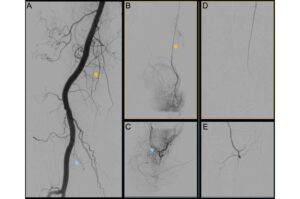
Nonsurgical procedure provides lasting relief for knee pain, finds study
Embolization of abnormal blood vessels using rapidly resorbable gelatin-based microspheres is safe and provides significant, lasting pain relief and functional improvement for patients with osteoarthritis-related knee pain, according to a new study published in Radiology.