

Smartphone tests spot cognitive decline faster than standard method
People with mild cognitive impairment (MCI) are at higher risk of developing dementia. Indeed, many of them experience a gradual decline in cognitive performance over time. Smartphone- or tablet-based memory tests can capture this subtle decline more quickly than conventional testing. These findings come from a study by DZNE in collaboration with university hospitals in Germany, the University of Wisconsin–Madison in the United States, and the startup neotiv.
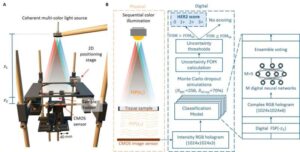
Uncertainty-aware AI and lensfree holography enable reliable automated HER2 assessment for breast cancer diagnostics
The integration of AI into digital pathology has the potential to transform cancer diagnostics by enabling scalable, quantitative analysis of tissue specimens. However, widespread deployment of AI-assisted pathology remains challenged by the need for costly imaging infrastructure and the lack of reliable mechanisms to assess prediction confidence.

Ultrasensitive blood test predicts head and neck cancer relapse months earlier
A new study by investigators from Mass General Brigham Cancer Institute has found that an ultrasensitive blood test called HPV-DeepSeek could help identify which people with HPV-associated head and neck cancer still had cancer cells in their bodies after surgery and may benefit the most from additional treatments. The results are published in Science Translational Medicine.
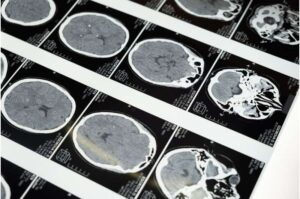
AI diagnoses brain tumors in minutes instead of weeks
Experts in Heidelberg, Germany, have developed an AI system that can classify brain tumors with unprecedented accuracy using standard microscopic tissue sections.

Drug reduces the risk of developing rheumatoid arthritis, clinical trial finds
A clinical trial led by researchers from Hospital Clínic de Barcelona, the August Pi i Sunyer Biomedical Research Institute (IDIBAPS) and the Institute of Advanced Chemistry of Catalonia (IQAC-CSIC) compared the effectiveness of abatacept and hydroxychloroquine in preventing the development of rheumatoid arthritis in patients with palindromic rheumatism, an autoimmune disease that progresses to arthritis in approximately half of all patients.

‘Molecular eraser’ destroys cancerous mRNA before protein forms, reshaping cancer cells
The research group led by Peng Wu at the Max Planck Institute of Molecular Physiology has now developed a new type of “molecular eraser” targeting the mRNA of the cancer protein NRAS.

Decades-old puzzle solved as scientists uncover cause of inflammatory bowel disease
Researchers at the Nuffield Department of Medicine, University of Oxford, together with Newcastle University’s Translational and Clinical Research Institute and the Department of Immunology at Cambridge University Hospitals NHS Foundation Trust, have identified an important driver of inflammatory bowel disease (IBD).

CRISPR enzyme precisely detects and shreds DNA in cancer mutations once considered ‘undruggable’
A new study in Nature by a team led by Doudna has uncovered a powerful new approach to selectively kill cancer cells using a CRISPR enzyme called Cas12a2.