
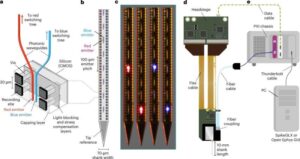
Tiny brain probe reveals how deep-brain neurons can be measured and manipulated
Developed by an international team, led by scientists at UCL and at the Allen Institute (Seattle, US), the research forms part of a project investigating Neuropixels probe technology.
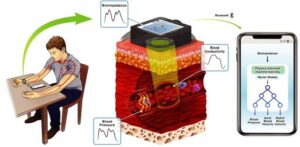
Wearable device can continuously monitor blood pressure without the pesky cuffs
The technology records tiny electrical changes in your wrist using bioimpedance, a measure of how easily electricity flows through blood and tissue. Because blood flow changes with each heartbeat, these electrical signals carry information about the underlying pressure.

SHINE Technologies receives EU CMA for Ilumira Lu-177 radioisotope
The development coincides with several steps by SHINE Technologies to broaden its position in nuclear medicine.
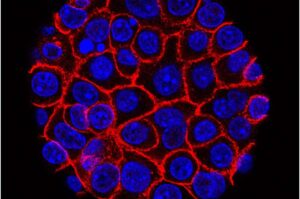
Experimental pill promises new hope for deadly pancreatic cancer
The daily pills nearly doubled survival time, with fewer severe side effects, in a study that randomly assigned the experimental drug or more chemotherapy to 500 patients whose metastatic, or spreading, cancer had quit responding to prior treatment.
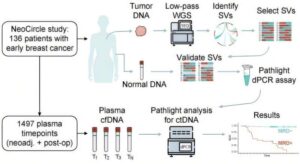
Blood test detects early signs of breast cancer recurrence
Researchers at Lund University have developed a blood test capable of detecting signs of breast cancer recurrence long before recurrence becomes visible on imaging or causes symptoms.
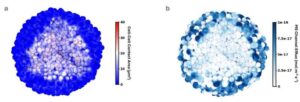
AI uncovers why squeezed tumors grow slower under physical pressure
Researchers have solved a long-standing mystery about why physical forces slow cancer growth—and the answer could reshape how the disease is treated. A multidisciplinary team from University of Galway, CÚRAM, the Taighde Éireann-Research Ireland Centre for Medical Devices, and KU Leuven in Belgium built an innovative AI accelerated computational model to test the theory.
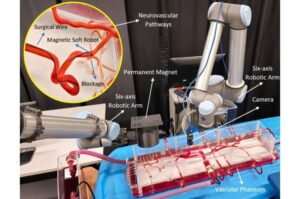
Magnet-guided soft robots could lead to safer treatment of life-threatening blood clots
Researchers at Concordia have developed an AI-assisted technique and a robotic platform that may one day help surgeons perform safer, faster and less invasive procedures to treat conditions such as blood clots located deep inside a patient’s neurovascular pathways.
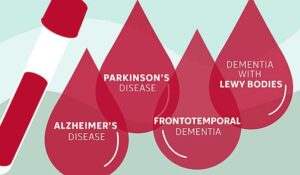
Blood test with AI spots four dementia-related brain diseases with 92.3% accuracy
Researchers at Washington University School of Medicine in St. Louis have developed an AI-based classifier that distinguishes between four common brain diseases that cause dementia: Alzheimer’s disease, Parkinson’s disease, frontotemporal dementia and dementia with Lewy bodies, as well as healthy brain aging.