
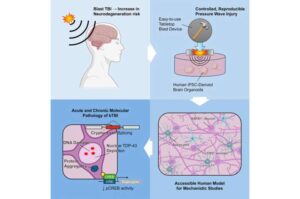
Tabletop blast device brings traumatic brain injury research to the lab bench
Four University of Rhode Island researchers have developed and tested a cost-effective, easy-to-use tabletop device that can generate pressure waves, mimicking the impact of blasts that can cause neurodegeneration. Their study was recently published in the journal Cell Reports Methods. The results will help URI’s Claudia Fallini and Riccardo Sirtori better study the development and progression of neurodegenerative diseases in their lab.
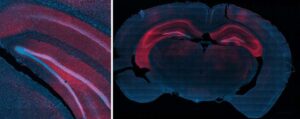
Nonsurgical treatment shows promise for targeted seizure control
Rice University bioengineers have demonstrated a nonsurgical way to quiet a seizure-relevant brain circuit in an animal model. The team used low-intensity focused ultrasound to briefly open the blood-brain barrier (BBB) in the hippocampus, delivered an engineered gene therapy only to that region and later flipped an on-demand “dimmer switch” with an oral drug.
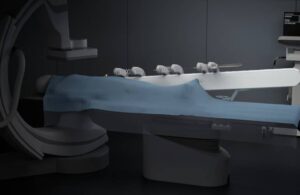
Sentante announces first-of-its-kind remote robotic stroke procedure
Sentante today announced the completion of a first-of-its-kind remote stroke procedure in Scotland using its robotic platform.
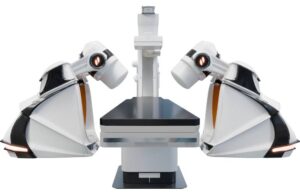
Stereotaxis gets FDA nod for next-gen GenesisX surgical robot
Stereotaxis (NYSE:STXS) announced today that it received FDA 510(k) clearance for its next-generation GenesisX surgical robot.
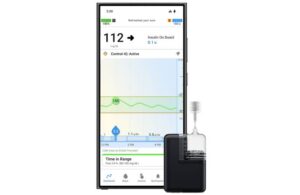
Tandem wins FDA nod to pair Mobi pump with Android smartphones
Tandem Diabetes Care (Nasdaq:TNDM) announced today that it received FDA approval for the Android version of its Mobi mobile app
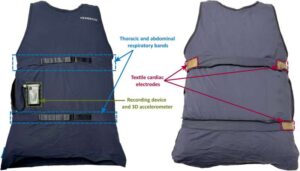
‘Smart’ shirt monitors and detects epileptic seizures in real time
Epilepsy is the world’s most common chronic neurological condition, affecting about 1 in every 100 people. Those who have it go into seizures of varying intensity, ranging from barely noticeable to dramatic, with convulsions and loss of consciousness.

AI beats traditional methods in prison-community disease control
Stanford Health Policy researchers built a model to test whether AI could effectively manage disease spread between prisons and surrounding communities. The results were decisive.

AI-optimized trial shows mental health app can ease university student distress
Researchers from Deakin University, Black Dog Institute and UNSW have completed an AI-optimized trial testing digital mental health interventions for university students experiencing psychological distress.