
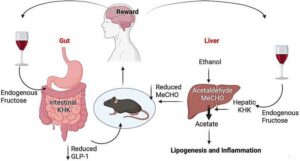
One enzyme could be behind alcohol addiction and liver disease
Scientists have uncovered a surprising connection between sugar metabolism and alcohol addiction, identifying a potential new therapeutic target for treating alcohol-associated liver disease (ALD) and alcohol use disorder (AUD).
Protein linked to cancer found to play key role in wound healing
When doctors detect elevated levels of SerpinB3 in a blood test, it can signal that something is seriously wrong, from hard-to-treat cancers to severe inflammatory conditions.
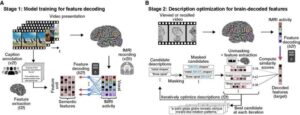
‘Mind-captioning’ technique can read human thoughts from brain scans
Reading brain activity with advanced technologies is not a new concept. Generating detailed, structured descriptions of complex visual perceptions or thoughts remains difficult.

TAICEND’s Patented Fish Collagen Technology Brings a Breakthrough in the Healing of Hard-to-Heal Wounds
KAOHSIUNG CITY, Taiwan, Nov. 7, 2025 /PRNewswire/ — TAICEND is set to officially launch its groundbreaking new product — TAICEND Collagen Dressing — in 2026. Extracted from premium fish skin, the collagen is produced through a patented low-temperature extraction technology combined with a proprietary formulation, resulting in a high-purity fish collagen suitable for advanced wound dressings.
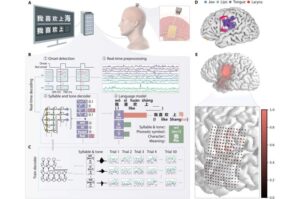
Brain-computer interface decodes Mandarin from neural signals in real time
Researchers in Shanghai have reported in a study, recently published in Science Advances, that they’ve successfully decoded Mandarin Chinese language in real time with the help of a brain-computer interface (BCI) framework.
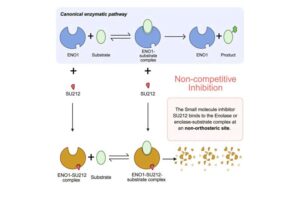
Promising drug can inhibit aggressive breast cancer
New research reveals a drug developed by scientists at Oregon Health & Science University may develop into a new treatment for an especially aggressive form of breast cancer.
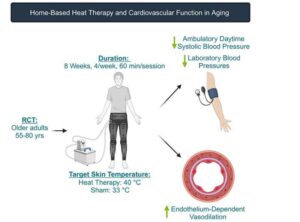
Hot pants for good health: Scientists try heat therapy to lower blood pressure
The saying goes that you should stay out of the kitchen if you can’t take the heat, but new research suggests otherwise—for the sake of your blood pressure.
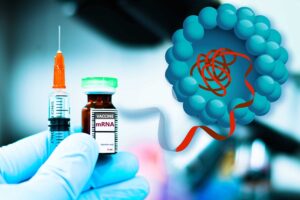
Particles that enhance mRNA delivery could reduce vaccine dosage and costs
Using these nanoparticles to deliver a flu vaccine, researchers observed an effective immune response at a much lower dose.