
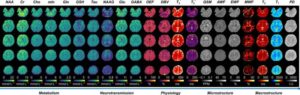
New MRI technology maps 20-plus brain biomarkers in a single 14-minute scan
New multiplexed imaging technology using standard clinical MRI systems can simultaneously map more than 20 biomarkers in high resolution, providing a comprehensive view of the brain with a single scan.
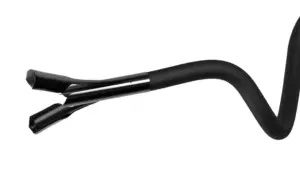
Multi4 Medical Gains CE Mark for Office-Based Bladder Cancer Treatment System
Sweden-based Multi4 Medical has received CE mark approval for its Multi4 System, an all-in-one endoscopic instrument designed to enable bladder cancer treatment during the same outpatient visit when cancer is detected.

Ribbon Bio Launches Cell-Free MiroSynth DNA and New In-Lab Cell-Free DNA Production Kit
Together, these announcements represent a step forward in increasing accessibility to complex DNA

The slow burn behind type 2 diabetes revealed
More than half a billion people worldwide are living with diabetes, the vast majority with type 2 diabetes (T2D), a chronic condition that continues to rise alongside aging populations and changing lifestyles. Despite its prevalence, the cell-type-specific mechanisms that shape beta-cell adaptation and failure over time have remained only partially understood.

Machine learning reveals two main Parkinson’s types and five subgroups
A new study led by researchers from VIB and KU Leuven shows that Parkinson’s disease can be divided into distinct subtypes, helping explain why a single treatment does not work for all patients. Using a machine-learning-driven analysis, the team identified two main groups and five subgroups of the disease, marking an important step toward more personalized therapies. The findings are published in Nature Communications.

FX Shoulder Solutions, Inc. Receives FDA 510(k) Clearance for FX V135® Easytech Shoulder System
ADDISON, Texas, May 5, 2026 /PRNewswire/ — FX Shoulder Solutions, Inc. has received FDA 510(k) clearance for the FX V135® Easytech Shoulder System, the next generation of stemless shoulder arthroplasty implants that provides surgeons with an anatomic stemless versus a modular stemmed-reverse option. This design enables surgeons to begin with a stemless approach and, when clinically appropriate, transition intraoperatively to a short stem solution without changing or adding another system.

Could Targeting Receptors From Inside the Cell Improve Metabolic Therapies?
Laidlaw Scholar Nikita Bhat has studied a new way to influence metabolic signaling with greater precision
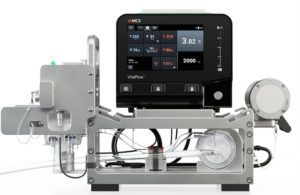
Medtronic wins CE mark for VitalFlow ECMO transport tech
Medtronic (NYSE:MDT) announced today that it received CE mark approval for its VitalFlow Transport Frame Air and Ground (AG) accessory.