

Nuvo’s First-of-Its-Kind Pregnancy Monitoring Wearable Ushers in a New Era of Pregnancy Care
AVENTURA, Fla., Feb. 4, 2026 /PRNewswire/ — Nuvo Intl Group Inc. today announced that pregnant moms can lease the FDA-cleared INVU wearable solution , a cloud-based pregnancy monitoring platform designed for use at home or at work, directly through their physician or healthcare provider.
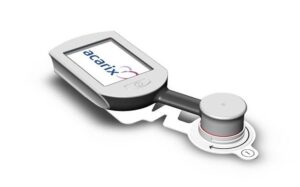
Acarix Receives EU MDR Certification for the CADScor®System
OKLAHOMA CITY, Feb. 4, 2026 /PRNewswire/ — Acarix today announced its CADScor®System has successfully achieved certification under the European Union Medical Device Regulation (EU MDR 2017/745).

Dexcom adds enhanced smart meal logging feature to Stelo CGM
Dexcom (NSDQ:DXCM) announced today that it plans to launch an advanced AI-enabled enhancement to its Stelo over-the-counter CGM.

Terahertz microscope reveals the motion of superconducting electrons
For the first time, the new scope allowed physicists to observe terahertz “jiggles” in a superconducting fluid.
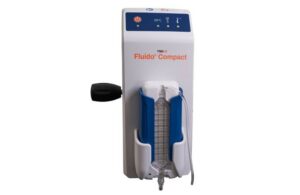
TSC Life wins FDA clearance for pediatric use of Fluido system
TSC Life announced that it received FDA clearance for its Fluido Compact fluid warming system for pediatric use.
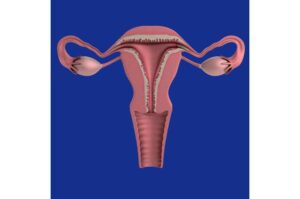
Testing menstrual blood for HPV could be ‘robust alternative’ to cervical screening
Testing menstrual blood for human papillomavirus (HPV) could be a “robust alternative or replacement” for current cervical cancer screening by a clinician.
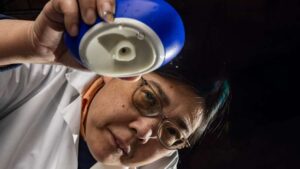
Spray away infections: New device delivers antibiotics via mist, alleviating risks of side effects
A University of Missouri researcher has unveiled a safer, smarter way to fight drug-resistant infections.

Self-regulating living implant could end daily insulin injections
A pioneering study marks a major step toward eliminating the need for daily insulin injections for people with diabetes.