
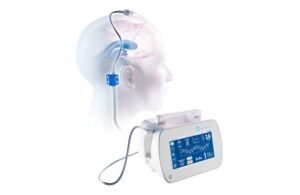
BrainSpace wins FDA clearance for automated brain fluid management device
BrainSpace announced that the FDA granted 510(k) clearance for its Intellidrop automated brain fluid management system.
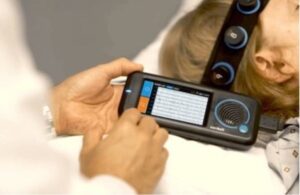
Ceribell gets FDA breakthrough nod for stroke detection, monitoring solution
Ceribell (Nasdaq:CBLL) announced today that the FDA granted breakthrough device designation for its large vessel occlusion (LVO) stroke detection monitor.
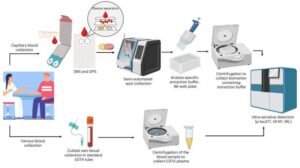
Remote Alzheimer’s testing: At-home blood tests can accurately detect key biomarkers
A new international study has demonstrated that Alzheimer’s disease biomarkers can be accurately detected using simple finger-prick blood samples that can be collected at home and mailed to laboratories without refrigeration or prior processing.
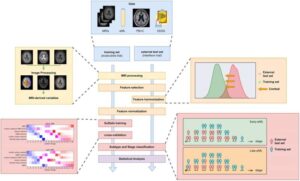
AI uncovers two distinct multiple sclerosis types
Artificial intelligence (AI), using a simple blood test combined with standard brain images has, for the first time, been able to identify two biologically distinct types of multiple sclerosis (MS).

New toothpaste stops periodontal pathogens
Researchers at the Halle branch of the Fraunhofer Institute for Cell Therapy and Immunology IZI have identified a substance that selectively blocks harmful pathogens such as Porphyromonas gingivalis without affecting other bacteria.
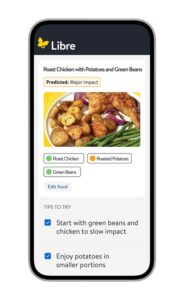
Abbott’s new Libre Assist app feature tackles a top need for people living with diabetes: in-the-moment food decisions
ABBOTT PARK, Ill., Jan. 5, 2026 /PRNewswire/ — Abbott (NYSE: ABT), a leading healthcare company, today unveiled Libre Assist,1 a groundbreaking feature within the Libre app5 designed to help the millions of people living with diabetes in the U.S. better understand how the foods they eat affect their glucose levels. 1,2 Unlike traditional food logging apps that only give feedback after a meal is logged, Libre Assist1 helps people make informed mealtime decisions before they eat. Abbott is launching the new technology during CES 2026 in Las Vegas.

Women’s Digital Health Challenge winners announced
Two pioneering, clinically-led digital app solutions have won the Ripple Women’s Digital Health Challenge – a global innovation programme, delivered by Cogniss in partnership with the Health Innovation Network (the Network) and Amazon Web Services (AWS).

Sumbu Unveils World’s First Dual-Vector Consumer Exoskeleton at CES 2026
LAS VEGAS, Jan. 3, 2026 /PRNewswire/ — Today at CES 2026, Sumbu announced its Exo-S3 line of dual-vector exoskeletons designed for the general public: the Exo-S3, Exo-S3 Pro and Exo-S3 Ultra. The series is the world’s first commercially available dual-vector exoskeleton designed to support human movement across real-world terrain. This release establishes a new market for lightweight, AI-powered wearable mobility products.