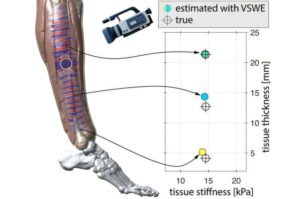
Using tiny ripples at skin level to monitor for possible health problems below
Caltech scientists have developed a method that detects tiny, imperceptible movements at the surface of objects to reveal details about what lies beneath.

Caltech scientists have developed a method that detects tiny, imperceptible movements at the surface of objects to reveal details about what lies beneath.
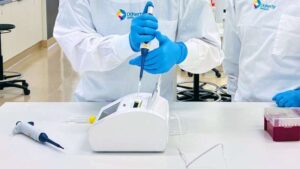
Researchers at the Peter Doherty Institute for Infection and Immunity (Doherty Institute) have developed a world-first portable point-of-care test that detects four common sexually transmitted infections at once, in under an hour.
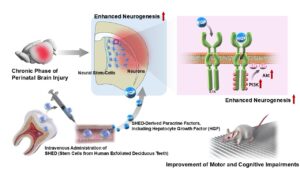
A Japanese research team has demonstrated in rat experiments that stem cells from human primary tooth pulp may help treat chronic-phase cerebral palsy.
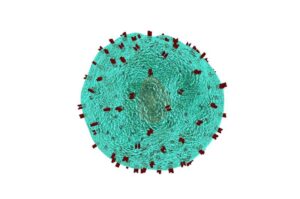
UCLA scientists have developed a next-generation CAR-T cell therapy that can overcome the immunosuppressive tumor microenvironment, a protective shield that tumors use to weaken immune cells, block their attack, and fuel tumor growth.

Tandem Diabetes Care (Nasdaq:TNDM) announced today that it made its Mobi automated insulin delivery system available with Android devices.

LOS ALTOS, Calif., March 4, 2026 /PRNewswire/ — XYRA LLC announces that the US Patent and Trademark Office (USPTO) has issued a patent (No. 12,551,706) protecting the use of dose adjusted budiodarone for the treatment of atrial fibrillation (AF), with monitoring to correspondingly reduce or delay the risk of stroke and/or congestive heart failure.
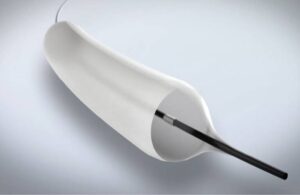
BROOKLYN PARK, Minn., March 4, 2026 /PRNewswire/ — Airiver Medical, a clinical stage company developing technologies to help patients who suffer from certain respiratory tract conditions, was granted designation as a Breakthrough Device from the U.S. Food and Drug Administration (FDA) for its Airiver Pulmonary Drug Coated Balloon (DCB) to treat central airway stenosis.

MINNETONKA, Minn., March 4, 2026 /PRNewswire/ — Monteris Medical, the leader in minimally invasive neurosurgical technology with its NeuroBlate® System, announced today that a newly published randomized prospective study in the distinguished journal Nature Communications suggests that laser interstitial thermal therapy (LITT) using NeuroBlate may enhance the effectiveness of the immunotherapy drug pembrolizumab (Keytruda®) for patients with recurrent high grade astrocytoma, including glioblastoma (GBM).
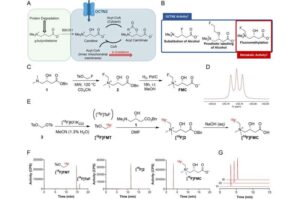
A new King’s College London study introduces a brand-new imaging tracer that looks at how tumors use fats to fuel their growth
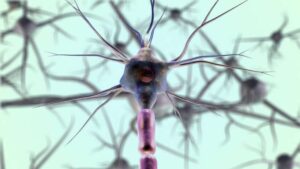
Oregon Health & Science University researchers have found that certain nerves that play an integral role in the body’s “fight or flight” stress response can support pancreatic tumor growth.