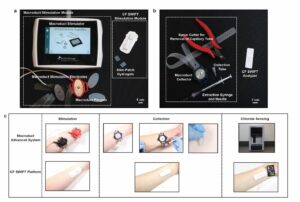
New wearable stickers simplify cystic fibrosis diagnosis
A pair of wearable stickers may transform diagnostic sweat testing for cystic fibrosis (CF), a genetic disorder that causes problems with digestion and breathing.

A pair of wearable stickers may transform diagnostic sweat testing for cystic fibrosis (CF), a genetic disorder that causes problems with digestion and breathing.
Researchers at the Johns Hopkins Kimmel Cancer Center validated an artificial intelligence (AI)-powered blood test that accurately detected liver cancer in people from two geographically and biologically distinct populations and uncovered the underlying biological signals that make the test effective.
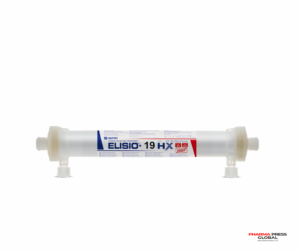
New medium-cutoff Dialyzer with a Super High-flux membrane brings NIPRO’s approach to expanded hemodialysis to United States healthcare providers.
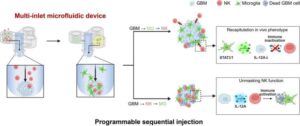
A joint research team led by professors Sungsu Park of Sungkyunkwan University and Sun-Ha Paek of Seoul National University College of Medicine has demonstrated for the first time that the sequence in which immune cells interact with cancer cells can critically influence the therapeutic response in glioblastoma.
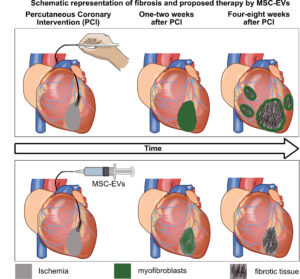
Many people who survive a heart attack will later develop heart failure due to the scarring that occurs as the heart heals.
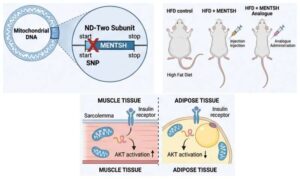
A previously unknown microprotein hidden within the human mitochondrial genome may help explain certain forms of type 2 diabetes and could point toward a new precision medicine approach to treating it, according to a new USC study.
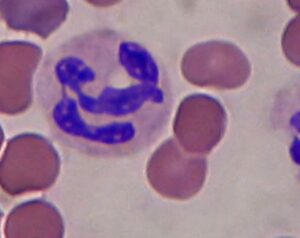
A scientific collaboration between the University of Bath (UK) and the UMass Chan Medical School (U.S.) has determined how a specific type of white blood cell—neutrophils—moves through the body.
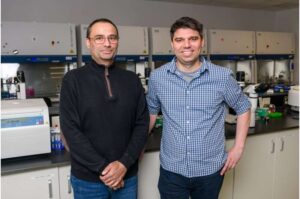
A gene-editing tool designed to precisely rewrite the gene that causes Huntington’s disease reduced toxic protein fragments and symptoms associated with the disease in mice, researchers at the University of Illinois Urbana-Champaign report.
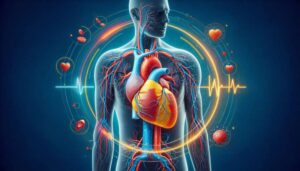
Specialized cells in the human body make biological trade-offs to perform certain jobs. Because the adult human heart cannot repair itself the way skin does, scientists have studied ways to “reprogram” heart cells to regenerate after heart attacks.
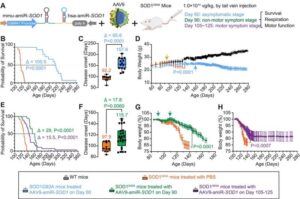
A single IV injection of a microRNA-based biologic developed by Guangping Gao, Ph.D., Robert H. Brown Jr., DPhil, MD, Jun Xie, Ph.D., and Zuoshang Xu, MD, Ph.D., suppressed production of the mutant SOD1 protein that causes amyotrophic lateral sclerosis (ALS), delayed disease onset by 60 days and extended lifespan by 100 days—more than tripling the average survival time—in mouse models of the disease.