
Novocure earns CE mark for Optune Pax pancreatic cancer treatment device
Novocure (Nasdaq:NVCR) announced today that its Optune Pax device for treating pancreatic cancer received CE mark approval.

Novocure (Nasdaq:NVCR) announced today that its Optune Pax device for treating pancreatic cancer received CE mark approval.
One current viral health trend on TikTok claims that a combination of two over-the-counter drugs can help manage symptoms during those few days each month. Despite the lack of clinical trials to back up this seemingly odd blend of accessible medications, there is some biological reasoning behind this one.
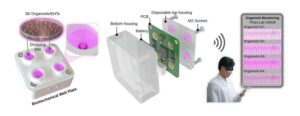
Engineers have developed a new way to monitor how tiny lab-grown human heart tissues beat—by effectively “listening” to the ripples they create.
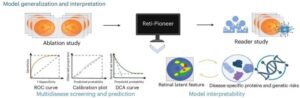
A new study presents an artificial intelligence system that scans images of the retina to detect signs of diabetes, high blood pressure, high cholesterol, gout, osteoporosis and thyroid disease in seconds.
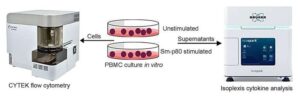
New research shows that the only vaccine being tested to prevent and treat schistosomiasis can do both, and the researcher who made it possible is Afzal Siddiqui, Ph.D., from the Texas Tech University Health Sciences Center (TTUHSC).
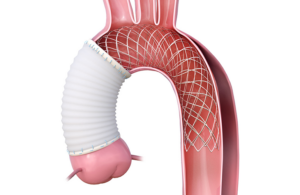
Artivion (NYSE:AORT) announced today that it received FDA premarket approval (PMA) for its AMDS Hybrid Prosthesis device.

United Therapeutics (Nasdaq:UTHR) announced today that the FDA granted premarket approval (PMA) for its LungFX perfusion device.
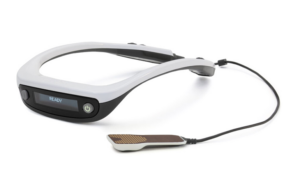
Bioness Medical announced today that it received FDA 510(k) clearance for its PoNS (portable neuromodulation stimulator) system.
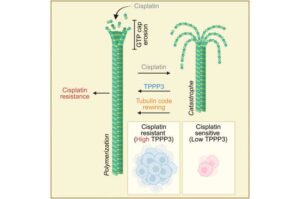
Michigan State University researchers have identified how ovarian cancer cells become resistant to chemotherapy and discovered a protein that, when blocked, can restore the drug’s effectiveness.
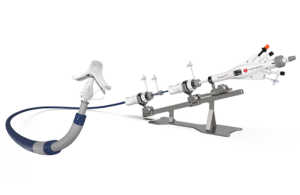
Valgen Medtech announced today that it received CE mark approval for its DragonFly transcathteter mitral repair system.