
Faster Biological Aging May Help Explain Why More Younger Adults Are Getting Cancer
Younger generations are now aging faster than their parents and grandparents, and this aging gap could explain the rise in early-onset cancers.

Younger generations are now aging faster than their parents and grandparents, and this aging gap could explain the rise in early-onset cancers.

Decision delivers the first ADC-based regimens for previously untreated triple-negative breast cancer across PD-L1 status, a PD-L1-positive Keytruda combination plus a monotherapy option for immunotherapy-ineligible patients.

Cyclana Bio, a biotechnology company pioneering tissue-level approaches to women’s health, has announced it has received Health Research Authority (HRA) and Research Ethics Committee (REC) approval for its 500-patient clinical observational study, PEMP (Predicting Endometriosis Mechanisms and Populations).

Spotlight Medical, a Paris-based oncology diagnostics company, has announced that myStage Dx has received CE marking under the European Union In Vitro Diagnostic Medical Devices Regulation (IVDR, Regulation (EU) 2017/746).
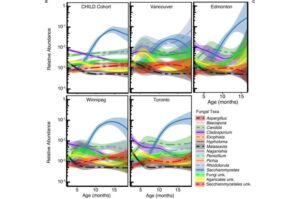
One paper by Dr. Stuart Turvey and colleagues at BC Children’s Hospital Research Institute (BCCHR) and another paper by Dr. Marie-Claire Arrieta and colleagues from the Snyder Institute for Chronic Diseases and the Alberta Children’s Hospital Research Institute reveal key to treating asthma.

In a study from Karolinska Institutet, the Stockholm3 blood test detected more clinically significant cancer cases than the PSA test, without subjecting more men to unnecessary testing.
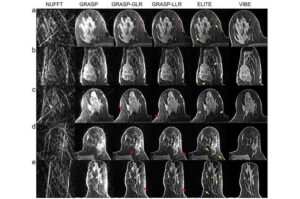
A group of researchers from the Technion and the United States reports a breakthrough in MRI scanning in a paper published in Nature Communications.
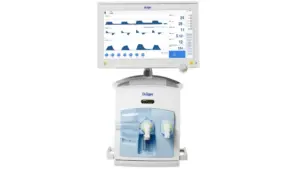
Draeger has received FDA 510(k) clearance to market the latest software update for its Evita V800 ventilator. The version 3.10 software release introduces additional features designed to enhance mechanical ventilation for patients with pulmonary conditions, including acute respiratory distress syndrome (ARDS).
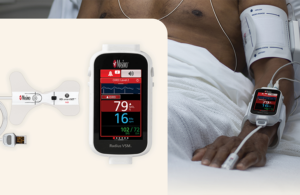
Masimo, a Danaher (NYSE:DHR) company, today announced FDA clearance for an opioid-induced respiratory depression (OIRD) detection platform.

FiberSense has announced that its Continuous Glucose Monitoring (CGM) System has obtained CE marking under Regulation (EU) 2017/745 as a Class IIb medical device. The system is intended for continuous monitoring of blood sugar levels and glucose trends in adults with diabetes.