Lab-grown mini-stomachs could boost understanding of rare diseases
Researchers at UCL and Great Ormond Street Hospital (GOSH) have developed the first-ever lab-grown mini-stomach that contains the key components of the full-sized human organ.

Researchers at UCL and Great Ormond Street Hospital (GOSH) have developed the first-ever lab-grown mini-stomach that contains the key components of the full-sized human organ.

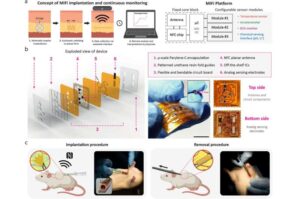
Northwestern University researchers have developed the first device that can continuously track a fetus’s vital signs while still in the uterus.

When COVID hit, health care systems around the world were turned upside down. Hospitals cleared beds, routine appointments were canceled and people were told to stay at home unless it was urgent.

Two recent studies from the University of California, Riverside, published in the same issue of Gut Microbes highlight the role of a gene called PTPN2 in protecting the gut from harmful bacteria linked to inflammatory bowel disease (IBD).

Lung cancer varies widely from patient to patient, and that diversity makes it hard to find effective treatments. Researchers at the Berlin Institute of Health at Charité (BIH) have developed a method to evaluate multiple therapeutic approaches on patient-derived “tumoroids”—miniature tumors grown from tissue removed during surgery at Charité.

Researchers uncover a hidden mechanism that allows cancer to develop aggressive mutations.

For more than a century, oral insulin has been considered a “dream” therapy for diabetes, hindered by enzymatic degradation in the digestive tract and the absence of a dedicated intestinal transport mechanism. Consequently, many patients must rely on daily insulin injections, which can significantly reduce their quality of life.

Prostate cancer is the second-most common cancer in men. A new study from Thomas Jefferson University uncovered a new potential therapeutic target in tiny molecules called tRNA halves.

The rising incidence of cancer worldwide has led to an increasing number of surgeries that involve the removal of lymph nodes. Although these procedures play a major role in cancer staging and preventing the spread of malignancies, they sometimes come with severe long-term consequences.

Scientists may have found a new way to spot early signs of obesity, which could lead to novel prevention strategies. A study published in the journal Cell Reports has discovered that people living with obesity have a distinct set of microbes in their mouths compared to people at a healthy weight.