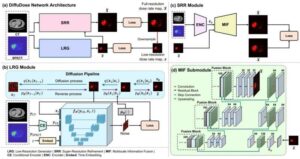
AI tool for computing radiation dose helps personalize prostate cancer treatment
Radiopharmaceutical therapy (RPT) has made significant strides over the past 50 years, although it only recently received FDA approval to treat prostate cancer.

Radiopharmaceutical therapy (RPT) has made significant strides over the past 50 years, although it only recently received FDA approval to treat prostate cancer.

Congenital heart disease affects approximately two in every 100 newborns globally. But why does it occur? An important part of the answer may lie in a previously unknown mechanism on the surface of our cells. Researchers from the University of Copenhagen identified this mechanism in a new study.
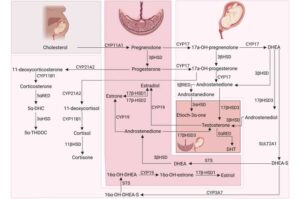
Tiny, near-invisible fragments of plastic shed from the products we use every day through sunlight and mechanical wear have been quietly working their way deep into the human body. Microplastics have already been found in the human brain, semen and even the placenta. A recent study investigated how these micro- and nanoplastics (MNPs) might move through the placenta and whether they affect a baby’s development.

A new study co-led by professor Valeriya Malysheva, group leader at the VIB-UAntwerp Center for Molecular Neurology, published in Nature Genetics, uncovers how the three-dimensional organization of DNA in rare immune cells can help explain genetic risk for Crohn’s disease and other autoimmune conditions.
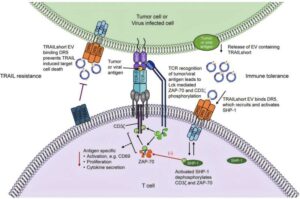
Mayo Clinic researchers have identified a protein that cancer cells use to shut down the body’s immune response, a discovery that could help scientists develop new treatments that make cancer immunotherapies more effective.
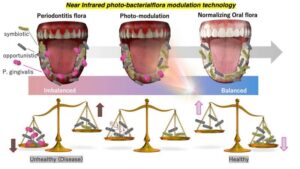
Researchers at Nagoya University in Japan have created an innovative treatment for periodontitis that targets and eliminates harmful bacteria while preserving beneficial oral microbes essential for health. The findings were published in the Journal of Translational Medicine.
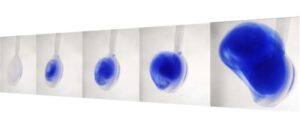
Researchers have developed an implant that could deliver next-generation therapies for ovarian cancer precisely where they are needed while simultaneously monitoring how the disease responds.

For people living with cardiac or neurological conditions, monitoring organ activity is an important part of diagnosis and treatment. But existing technology relies heavily on electrically based systems that often require a network of electrodes to be attached directly to the organ site.

Suicide rates in the U.S. have been rising at an alarming rate over the past few decades, with rates among veterans 1.5 times higher than those of the general public, USC Suzanne Dworak-Peck School of Social Work’s study shows.
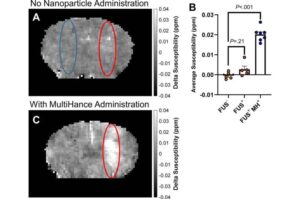
In a promising sign for the potential of focused sound waves to improve care for brain tumors, UVA Health researchers have determined that tumors called gliomas may be even more receptive to targeted drug delivery than normal brain tissue.