
DNA shaper steers nervous system development
A study of worms finds a protein that helps shape the structure of the genome is critical for establishing the identity of some neurons.

A study of worms finds a protein that helps shape the structure of the genome is critical for establishing the identity of some neurons.
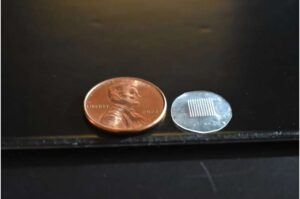
A patch smaller than a penny could one day save the lives of people experiencing a fentanyl overdose—even when no one else is there to help.
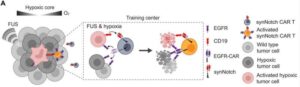
For more than a decade, CAR-T cell therapy has been one of the biggest breakthroughs in cancer medicine. By reprogramming a patient’s own immune cells to attack cancer, doctors have produced remarkable results against certain blood cancers, offering hope to patients who once had few treatment options.
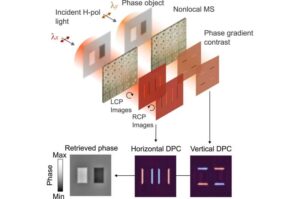
Researchers have developed a technology for building more compact point-of-care medical imaging devices by creating a material that acts as two devices in one.
BALTIMORE, Aug. 14, 2026 /PRNewswire/ — Nanochon, a medical device company developing Chondrograft™, a novel patented implant for the treatment of articular cartilage defects of the knee, today announced that it has received regulatory approval from Panamá’s Ministry of Health to initiate its First-in-Human (FIH) clinical study in Panamá.

The new technique could help scientists learn how the entire brain works to generate decisions and emotions.
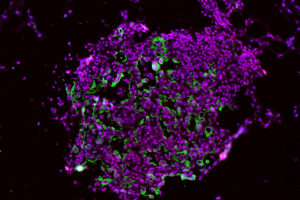
A new study by MIT researchers shows that inhibiting caspase-1 can reduce the risk of tumor growth.
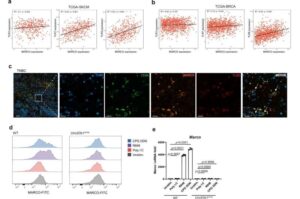
Immunotherapy that targets tumor-associated macrophages, a type of immune cell in the tumor microenvironment, works only if the cells have a functional system of molecules that enables them to respond to the treatment.

Biologic medicines have transformed the treatment of cancer, autoimmune diseases, migraine, inflammatory disorders and many other conditions. Yet their growing use among women of reproductive age constitutes a major clinical challenge because therapeutic IgG antibodies are actively transported across the placenta to the developing fetus. Evidence supporting the safe use of such therapeutics during pregnancy remains limited.

A study from Emory University School of Medicine suggests that a single 20-minute session of noninvasive deep brain stimulation, paired with mindful breathing, may strengthen the brain’s response to reward and reduce anxiety.