Blood metabolite signature offers improved prediction of type 2 diabetes risk
Diabetes, a metabolic disease, is on the rise worldwide, and over 90% of cases are type 2 diabetes, where the body does not effectively respond to insulin.

Diabetes, a metabolic disease, is on the rise worldwide, and over 90% of cases are type 2 diabetes, where the body does not effectively respond to insulin.

Complaints such as pain in the Achilles tendon, tennis elbow, swimmer’s shoulder and jumper’s knee are familiar to many young sportspeople, as well as to older individuals. These conditions are all caused by overloading of tendons and are generally very painful.

About 20% of U.S. adults experience major depression in their lifetime. For most people, symptoms improve within a few treatment attempts, but up to one‐third of patients have treatment‐resistant depression, for which standard antidepressant medication or psychotherapy isn’t enough.

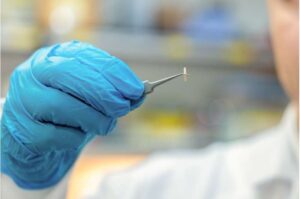
The human brain is complex. Understanding deep brain function usually requires the insertion of probes that frequently result in irreversible tissue damage. Current neural probes are made out of silicon, a brittle material that can shatter during placement.

UF Health Cancer Institute researchers have discovered a small compound produced naturally by gut bacteria that doubled the response to lung cancer immunotherapy treatment in mice and can now be made into a drug for testing in humans.

Nanoparticles are engineered to home in on areas where cartilage has degenerated in osteoarthritis, ensuring that treatment concentrates exactly where it is needed

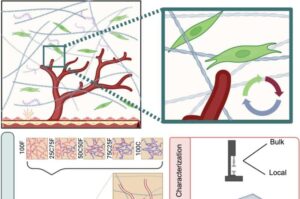
Heart disease remains the leading cause of death worldwide, yet progress in understanding and treating cardiac disorders is limited by the shortcomings of existing experimental models. Traditional animal models often fail to capture human-specific cardiac biology, while conventional two-dimensional cell cultures lack the functional and structural complexity of heart tissue.

A new international study led by researchers from UNSW Sydney’s Center for Healthy Brain Aging (CHeBA) has developed the first practical, five-year dementia risk prediction tool for stroke survivors—using only information that’s routinely collected in hospitals and clinics.

A tiny sensor that detects hazardous head impacts the instant they occur could reshape safety monitoring in sports, transportation and other high-risk settings.

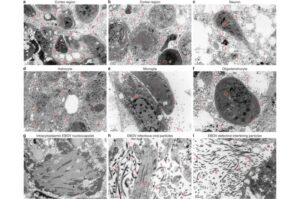
Autoimmune diseases such as multiple sclerosis arise when the immune system turns against the body itself. Yet for most of them, it remains unclear why this process begins. Researchers have now identified how the Epstein-Barr virus can, under specific conditions, initiate early multiple sclerosis-like damage in the brain. This offers a new perspective on how rare immune events may shape disease risk.