A protein found in the GI tract can neutralize many bacteria
The protein, known as intelectin-2, also helps to strengthen the mucus barrier lining the digestive tract.

The protein, known as intelectin-2, also helps to strengthen the mucus barrier lining the digestive tract.

Select gut bacteria protect mice against post-influenza virus secondary bacterial pneumonia, according to a study published by researchers in the Institute for Biomedical Sciences at Georgia State University.

Scientists at the Paul Scherrer Institute PSI have refined an X-ray diffraction technique for detecting biological structures from nanometers to millimeters—reducing the time needed to make the measurement from around one day to about an hour. This opens up a wide range of possibilities for biomedical research—from analyzing bone and tissue structures to supporting the development of new implants.

A new study by the National Cancer Research Center (CNIO) has identified several sets of genes related to the predisposition to develop pancreatic ductal adenocarcinoma (the most common type of pancreatic cancer), as well as the prognosis of the disease once it has appeared.

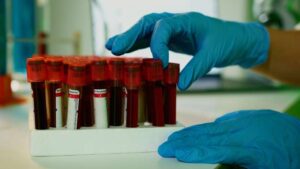
Sinai Health researchers have shown a blood test that can predict Crohn’s disease years before symptoms appear, opening the doors to early diagnosis and potentially prevention.

Parkinson’s disease (PD) is a debilitating and progressive neurodegenerative disorder caused by the loss of dopamine-producing neurons in the substantia nigra, a brain region essential for motor control. Clinically, it is marked by tremor, rigidity, bradykinesia and postural instability, symptoms that progressively erode independence and quality of life.

Georgetown University’s Lombardi Comprehensive Cancer Center researchers have identified a new way to reprogram T cells, which are infection and tumor-fighting white blood cells, so that they have a superior memory, thereby making them more effective in killing cancer cells.

Consciousness is famously a “hard problem” of science: We don’t precisely know how the physical matter in our brains translates into thoughts, sensations, and feelings. But an emerging research tool called transcranial focused ultrasound may enable researchers to learn more about the phenomenon.

A team of scientists from China has successfully created a miniature womb on a chip that mimics the complex environment of the human uterus. The research offers a new way to study the exact moment an embryo attaches to a mother’s body.

Multiple sclerosis (MS) is a chronic neurological disease characterized by nerve damage and consequent impairments in vision, movement, balance and mental function. In MS, the immune system mistakenly starts attacking myelin, the protective sheath that surrounds axons (i.e., nerve fibers) in the brain, spinal cord and optic nerves.