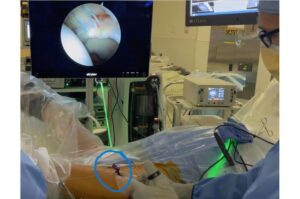
Researchers redefine hip arthroscopy with breakthrough surgical device
There’s a new tool in the hands of surgeons making waves in the world of hip arthroscopy.

There’s a new tool in the hands of surgeons making waves in the world of hip arthroscopy.
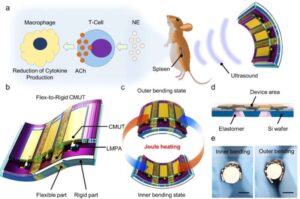
Conventional wearable ultrasound sensors have been limited by low power output and poor structural stability, making them unsuitable for high-resolution imaging or therapeutic applications.
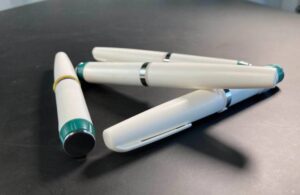
Go-Pen announced today on social media that it received CE mark approval for its user-fillable insulin pen.

University of Mississippi researchers have developed a new tool to help scientists study how environmental and genetic factors interact to influence autism spectrum disorder.
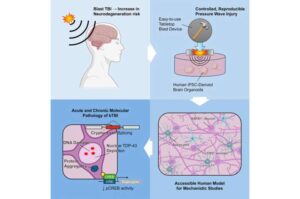
Four University of Rhode Island researchers have developed and tested a cost-effective, easy-to-use tabletop device that can generate pressure waves, mimicking the impact of blasts that can cause neurodegeneration. Their study was recently published in the journal Cell Reports Methods. The results will help URI’s Claudia Fallini and Riccardo Sirtori better study the development and progression of neurodegenerative diseases in their lab.
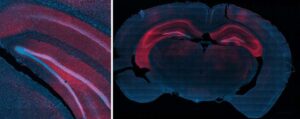
Rice University bioengineers have demonstrated a nonsurgical way to quiet a seizure-relevant brain circuit in an animal model. The team used low-intensity focused ultrasound to briefly open the blood-brain barrier (BBB) in the hippocampus, delivered an engineered gene therapy only to that region and later flipped an on-demand “dimmer switch” with an oral drug.
Epilepsy is the world’s most common chronic neurological condition, affecting about 1 in every 100 people. Those who have it go into seizures of varying intensity, ranging from barely noticeable to dramatic, with convulsions and loss of consciousness.

Researchers from Deakin University, Black Dog Institute and UNSW have completed an AI-optimized trial testing digital mental health interventions for university students experiencing psychological distress.
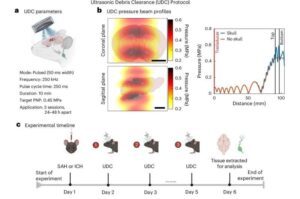
A low-intensity ultrasound treatment clears neurotoxic debris from the brains of mice with induced bleeding that resembles a hemorrhagic stroke, according to a study published in Nature Biotechnology.

Researchers at Wayne State University and the Barbara Ann Karmanos Cancer Institute have developed a chemical imaging probe that resists the breakdown of certain compounds in the body, giving doctors a more dependable way to track and potentially treat prostate cancer.