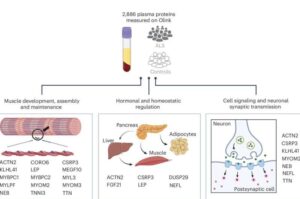
Novel blood test for ALS can detect early signs years before symptoms appear
Current ALS diagnosis relies on neurological evaluations and the presence of symptoms; at present, there is no definitive diagnostic test.

Current ALS diagnosis relies on neurological evaluations and the presence of symptoms; at present, there is no definitive diagnostic test.
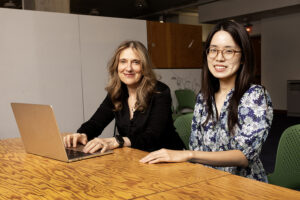
VaxSeer uses machine learning to predict virus evolution and antigenicity, aiming to make vaccine selection more accurate and less reliant on guesswork.

Current ALS diagnosis relies on neurological evaluations and the presence of symptoms, with no definitive diagnostic test currently available.
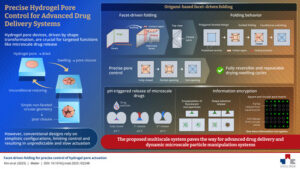
In a recent study, researchers introduced an origami-inspired “facet-driven folding” strategy using polygonal hydrogel pores to deliver highly controlled, programmable actuation, opening new possibilities for selective drug delivery and information encryption.
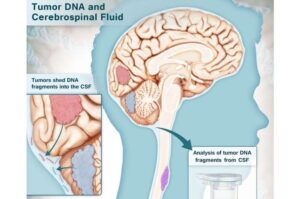
A novel, multi-analyte test developed by researchers at the Johns Hopkins Kimmel Cancer Center, its Ludwig Center and the Johns Hopkins Department of Neurosurgery can accurately identify brain cancers using small samples of cerebrospinal fluid (CSF), offering a promising new tool to guide clinical decision-making.

Treatment with exagamglogene autotemcel (exa-cel) led to robust and sustained improvements in quality of life for patients with severe sickle cell disease (SCD) or transfusion-dependent beta thalassemia, according to two studies published in Blood Advances.
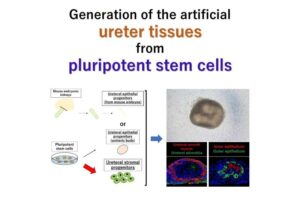
Scientists at Kumamoto University have made a major breakthrough in regenerative medicine by successfully creating functional ureter tissue—organoids resembling the urinary tract—from pluripotent stem cells.
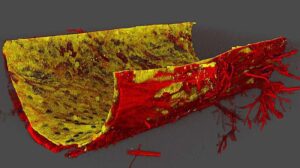
The eye, like most organs, has an intricate plumbing system. Pressure builds when drainage is impaired, and this condition—glaucoma—can cause irreversible vision loss. Certain popular anti-inflammatory eye medications that contain steroids can in some cases compound the problem, although scientists have been at a loss to understand why.
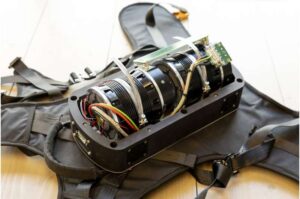
A newly designed backpack, incorporating aerospace technology, shows promise as a balance aid for patients with the movement disorder ataxia. Research conducted by Radboud university medical center, in collaboration with Delft University of Technology (TU Delft) and Erasmus MC, reveals that the backpack helps individuals with ataxia stand and walk more steadily, reducing their reliance on mobility aids like walkers.
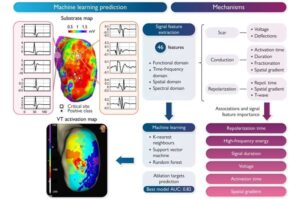
An AI tool could help cardiologists identify and target cells that trigger arrhythmia in patients with ventricular tachycardia, a serious heart condition.