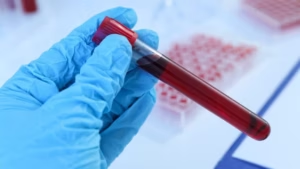
Dana-Farber develops blood test for multiple myeloma diagnosis
The method assesses growth rates of the tumour and detects gene patterns that can forecast outcomes of the patient.

The method assesses growth rates of the tumour and detects gene patterns that can forecast outcomes of the patient.
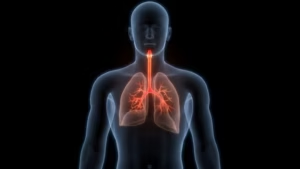
EDX claims the test, which is intended for use in the ICU, provides results for guiding treatment decisions within 60 seconds.

A mobile phone app designed to deliver suicide-specific therapy reduced suicidal behavior among high-risk psychiatric inpatients, according to a new study by scientists at Yale School of Medicine and The Ohio State University Wexner Medical Center and College of Medicine.
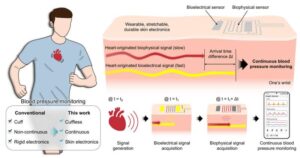
Seoul National University College of Engineering announced that a research team has developed a wearable electronic device that attaches to the skin like a bandage and enables real-time, continuous monitoring of blood pressure over extended periods.

A new study in the journal Microbiology Spectrum highlights the potential of using a natural compound from maple to combat the bacteria responsible for tooth decay: Streptococcus mutans.
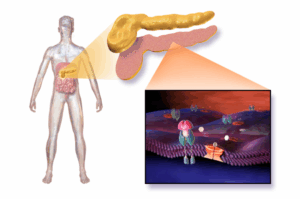
Uppsala University Hospital-led investigators report that gene-edited donor islet cells survived 12 weeks inside a man with long-standing type 1 diabetes without any immunosuppressive medication.
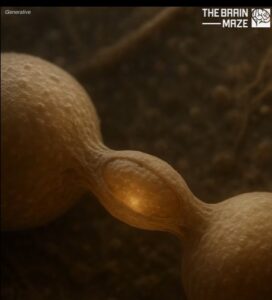
This mysterious organelle may play a vital role in how our cells recycle and process material, with major implications for disease research

Living with cardiovascular disease often takes a serious emotional toll—and with stress known to worsen heart health, there’s growing interest in low-risk, innovative ways to help patients cope. New research from UCLA Health suggests that virtual reality (VR) may offer a promising tool to ease psychological stress and support heart health.
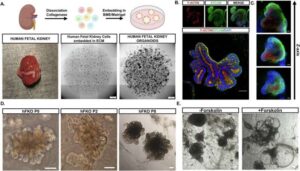
For the first time, researchers from both Sheba Medical Center and Tel Aviv University have grown human kidney organoids (a synthetic 3D organ culture) from tissue stem cells in the laboratory, mirroring human fetal kidney development.
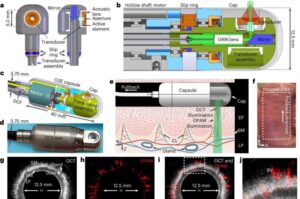
Researchers from Helmholtz Munich, the Technical University of Munich (TUM), and the Medical University of Vienna have developed an advanced imaging technique called “O2E” that allows clinics to detect cancerous lesions in the esophagus with unprecedented precision.