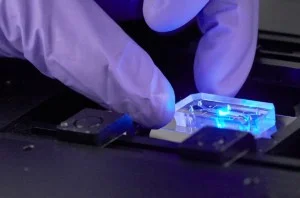
Researchers develop first high-precision dual-color optoelectronic brain probe
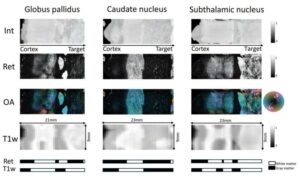
A team of researchers at the University of Massachusetts Amherst has developed the first dual-color optoelectronic neural probe.

A team of researchers at the University of Massachusetts Amherst has developed the first dual-color optoelectronic neural probe.

Align Technology (Nasdaq:ALGN) announced today that the FDA granted 510(k) clearance for its Invisalign palatal expander system.

The realistic model could aid the development of better heart implants and shed light on understudied heart disorders.

Researchers at Case Western Reserve University and University Hospitals have identified an enzyme that blocks insulin produced in the body—a discovery that could provide a new target to treat diabetes.

Core-shell structures made of hydrogel could enable more efficient uptake in the body.

The new sensor measures heart and breathing rate from patients with sleep apnea and could also be used to monitor people at risk of opioid overdose.

Scientists have a new tool to precisely illuminate the roots of nerve pain. The fibers could help with testing treatments for nerve-related pain.

The device contains encapsulated cells that produce insulin, plus a tiny oxygen-producing factory that keeps the cells healthy.

The findings point to faster way to detect bacteria in food, water, and clinical samples.

MIT engineers developed a new way to create these arrays, by scaffolding quantum rods onto patterned DNA.