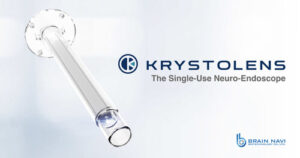
KrystoLens from Brain Navi Receives TFDA Certification, Set to Enter Taiwan Market
Brain Navi Biotechnology Achieves Key Regulatory Milestone Following Recognition at the 22nd National Innovation Award

Brain Navi Biotechnology Achieves Key Regulatory Milestone Following Recognition at the 22nd National Innovation Award
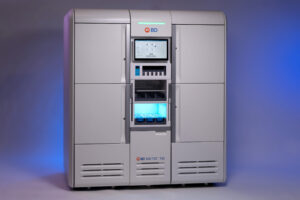
MILFORD, Mass., June 3, 2026 /PRNewswire/ — Waters Corporation (NYSE: WAT) today announced that the BD BACTEC FXI Culture System has received U.S. Food and Drug Administration (FDA) 510(k) clearance.
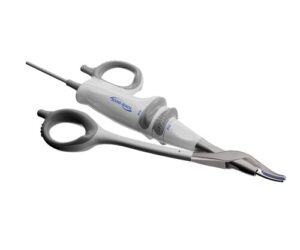
SINGAPORE, June 3, 2026 /PRNewswire/ — Reach Surgical, the surgical solutions division of Genesis MedTech, has received CE Mark approval for SOUND REACHTM Swift, ultrasonic shears designed for open surgical procedures, including breast and thyroid surgeries.
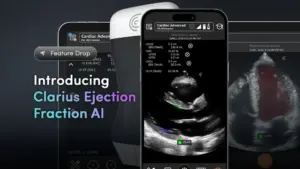
Clarius Mobile Health announced FDA clearance for its Ejection Fraction AI, an intelligent cardiac assessment tool integrated directly into the Clarius ultrasound app.
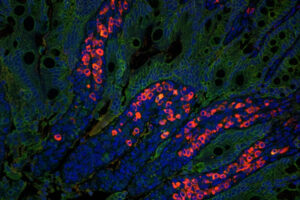
The adjuvant can help the injectable polio vaccine induce a strong immune response in the GI tract, which is considered critical to eradicating the virus.
The result is NeuroSense, a monitoring system that connects to drainage lines to detect biomarkers of infection, including changes in glucose, lactate and pH, as well as flow rate, as brain fluid moves through them.

Researchers used an open-source AI model called Mirai, which was developed by the study’s senior author, UC Berkeley data scientist Adam Yala, Ph.D.
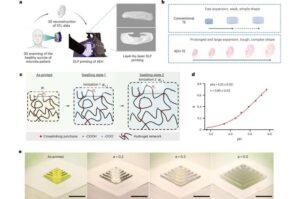
Di Wang, Ph.D., and Y. Shrike Zhang, Ph.D., of the Division of Engineering in the Mass General Brigham Department of Medicine, the lead and senior authors of the study published in Nature Biomedical Engineering, developed a special gel-like material whose expansion speed and final size can be carefully controlled. The paper is titled “4D-printed adaptive hydrogel tissue expanders for ear and breast reconstruction.”
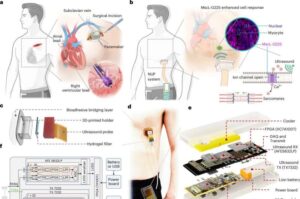
MIT engineers have developed a noninvasive pacemaker that stimulates the heart using ultrasound. The design could one day provide a surgery-free alternative to traditional cardiac implants.
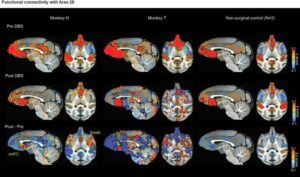
Researchers from the Icahn School of Medicine at Mount Sinai have uncovered the first direct evidence that deep brain stimulation (DBS) can remodel white matter pathways in the brain and alter communication across large-scale neural networks, revealing a previously unrecognized mechanism that may explain how the therapy helps patients recover from severe depression.