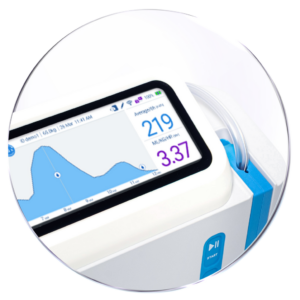
FIZE Medical Receives CE Mark and UKCA Certification for Its FIZE kUO® System
With regulatory clearance in place, FIZE Medical expands its global commercial footprint across Europe and the UK alongside existing operations in North America and Japan

With regulatory clearance in place, FIZE Medical expands its global commercial footprint across Europe and the UK alongside existing operations in North America and Japan
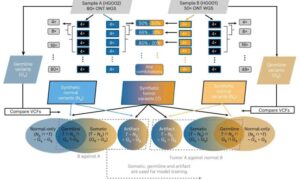
A research team at The University of Hong Kong (HKU), has developed ClairS—a deep-learning algorithm that significantly improves the detection of cancer mutations using long-read sequencing. Tested on breast cancer, lung cancer and melanoma cell line datasets, ClairS has demonstrated high accuracy across various cancer types and sequencing conditions.
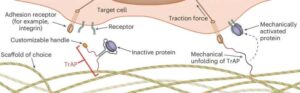
A bioinspired material developed by scientists at Imperial College London accelerates wound healing and the repair of human skin. The material captures the body’s own healing proteins, releasing them only when repair cells pull on them and delivering healing signals precisely where and when they are needed.
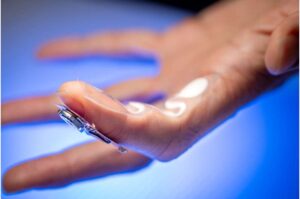
Engineers and neuroscientists at the University of California San Diego have developed a soft, wearable fingertip patch that continuously tracks a patient’s Parkinson’s disease medication levels through sweat. The device operates using chemicals in the patient’s sweat—no batteries required. Its measurements were comparable to those obtained by standard laboratory blood tests.
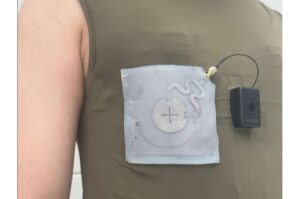
Wearable health monitors are designed to move with the body. But for many devices, movement creates a problem: The more a person bends, stretches, reaches or runs, the harder it can be for the device to keep a stable wireless connection. Penn State researchers and international collaborators set out to solve that problem by developing a soft, stretchable antenna that can keep working even when pulled in different directions. The work, published in Nature Communications, could help make wearable health monitors more reliable during everyday activity.
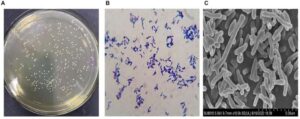
Cancer immunotherapies have transformed treatment for many cancers, but pancreatic cancer remains especially difficult to treat. One major reason is that pancreatic tumors often create a “cold” tumor microenvironment, where the tumor prevents immune cells from mounting a strong attack.

Every year, untreated tooth decay sends thousands of young U.S. children to emergency departments for dental problems doctors can’t treat. Many eventually undergo surgery under general anesthesia, while others endure pain and infection.
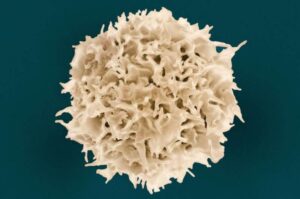
Every encounter between a T cell and a potential target—especially when that target is a developing tumor—begins with a rapid series of molecular decisions. Within seconds, the immune cell must determine whether to launch an attack or stand down. T cells are so potent, so potentially devastating, that misreading the situation can cause serious tissue injury.

New AI-powered algorithm delivers more personalized birth control by adapting to individual cycle patterns while maintaining established effectiveness rates
The international research team found that resistant cancer cells can hijack a specific DNA repair defence mechanism to protect themselves from the effects of PARP inhibitors