Scientists reveal a new way cancer cells survive DNA damage
A cancer drug target already being investigated in clinical trials turns out to be doing something even more consequential than researchers realized.

A cancer drug target already being investigated in clinical trials turns out to be doing something even more consequential than researchers realized.

A virus that typically infects marine animals, such as shrimp and fish, has jumped to humans and is causing chronic eye disease in some people, according to a study published in the journal Nature Microbiology.

Encouraging 12-month pilot clinical study results will be presented by Key Opinion Leader Dr. Lowell Kabnick at the prestigious Charing Cross Vascular Symposium in London on Tuesday, April 21st, 2026.

Stereotaxis (NYSE:STXS) announced today that it received FDA 510(k) clearance for its Synchrony system.

With approval to study the transcatheter replacement device in patients with severe tricuspid regurgitation, VDyne is advancing a treatment to compete with Edwards Lifesciences’ Evoque system.

Vantage’s intuitive three-step workflow, locate, dilate, decompress, enables physicians to perform procedures with consistency.

UCLA scientists have developed a simple and cost-effective blood test that, in early studies, shows promise in detecting multiple cancers, various liver conditions and organ abnormalities simultaneously by analyzing DNA fragments circulating in the bloodstream.

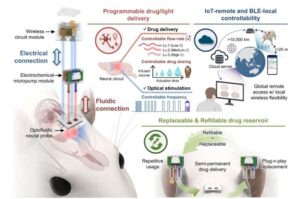
What if chronic diseases, which are difficult to treat with medicine alone, could be managed with electricity? As “neuromodulation”—a technology that restores bodily balance by sending signals directly to nerves—gains attention, a Korean research team has brought this possibility one step closer to reality.

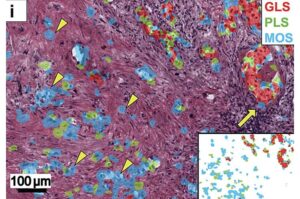
Results of a new study conclude that a pathology tool powered by artificial intelligence can predict whether a patient with extensive-stage small cell lung cancer will respond to platinum-based chemotherapy—before treatment has begun, and without additional biopsies. That means patients can avoid treatments that are unlikely to help them, have a chance to enroll earlier in clinical trials of newer drugs, and may get a clearer picture of their prognosis.

Sitting above each kidney are two small endocrine glands about the size of walnuts. These are the adrenal glands, responsible for producing hormones that help control some of the body’s most critical functions. Among these hormones, cortisol is particularly critical for survival. Often referred to as the “stress hormone,” it helps the body adapt to a wide range of challenges—both emotional and physical, such as trauma or infection—by regulating overall metabolism. Despite its central role in stress and endocrine biology, how the adrenal gland is built and how it functions remains poorly understood.