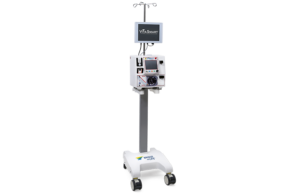
Bridge to Life wins FDA De Novo for transplant liver perfusion system
Bridge to Life has received FDA De Novo clearance for its VitaSmart hypothermic oxygenated perfusion (HOPE) system for liver transplantation.

Bridge to Life has received FDA De Novo clearance for its VitaSmart hypothermic oxygenated perfusion (HOPE) system for liver transplantation.
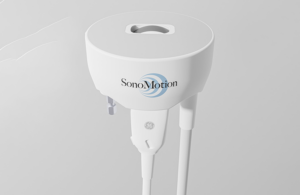
SonoMotion has received FDA 510(k) clearance for its Break Wave lithotripsy device to treat kidney stones.
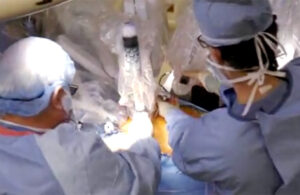
Intuitive Surgical (Nasdaq: ISRG)+
has received FDA clearance for “several cardiac procedures,” CEO Dave Rosa said today while announcing the surgical robotics company’s latest financial and operating results.
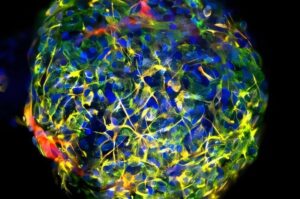
Researchers from Leiden University Medical Center (LUMC) and the Leiden-based biotech company Ncardia have joined forces to develop a new platform that enables the automated production of 3D cardiac microtissues.
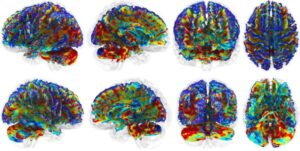
Punch-drunk syndrome, boxer’s madness, chronic traumatic encephalopathy (CTE). The name has changed over the years, but the cause is clear: repeated impacts can affect long-term brain health, with symptoms ranging from confusion to memory loss and potentially dementia.
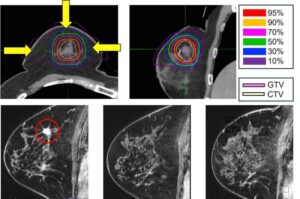
For many women with early breast cancer, surgery is effective but life-altering. New five-year data from the National Institutes for Quantum Science and Technology (QST) suggest that a precisely targeted, high-energy particle therapy may allow some patients to avoid surgery without compromising oncologic outcomes.
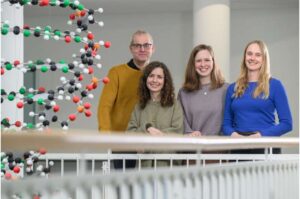
An international research team has succeeded in deciphering a key mechanism that controls the growth of pancreatic cancers.
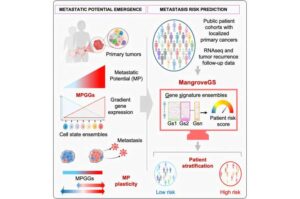
Why do some tumors spread while others remain localized? The mechanisms governing the metastatic potential of tumor cells remain largely unknown—yet understanding this is crucial for optimizing patient care.
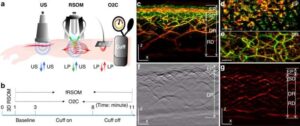
Researchers from Helmholtz Munich and the Technical University of Munich (TUM) have developed “fast-RSOM,” a new imaging technology that can capture detailed images of the smallest blood vessels directly through the skin—without the need for invasive procedures.

11 newly cleared indications, combined with three existing ones, introduce an AI safety net for crowded Emergency Departments and imaging backlogs