
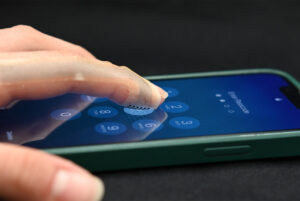
Bandage-like device brings texture to touchscreens
Soft, stretchable VoxeLite wraps around a fingertip to let users feel the digital world
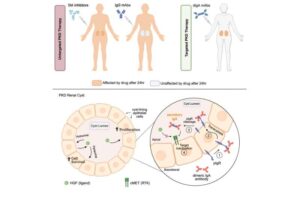
A ‘magic bullet’ for polycystic kidney disease in the making
Polycystic kidney disease (PKD) is a debilitating hereditary condition in which fluid-filled sacs form and proliferate in the kidneys. Over time, the painful, growing cysts rob the organs of their function, often leading to dialysis in advanced cases. There is currently no cure.
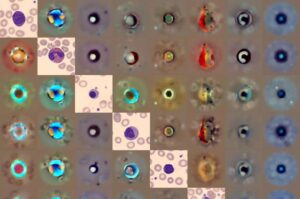
AI tool spots blood cell abnormalities missed by doctors
An AI tool that can analyze abnormalities in the shape and form of blood cells, and with greater accuracy and reliability than human experts, could change the way conditions such as leukemia are diagnosed.
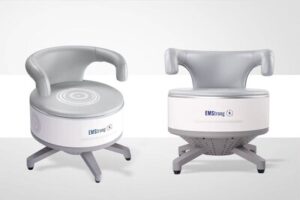
REJUVA FRESH® Elevates EMSTRONG® to New Heights With Advanced Certification and Expanded Capabilities
ELLSWORTH, Maine, Nov. 19, 2025 /PRNewswire/ — Rejuva Fresh®, a global leader in non-invasive aesthetic and wellness solutions, proudly announces expanded CE certification and design upgrades for its revolutionary EMSTRONG® platform, reinforcing its leadership in pelvic health and intimate wellness.
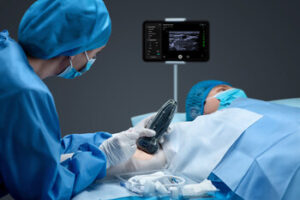
Mindray Introduces TE Air e5M Wireless Handheld Ultrasound to Revolutionize Whole-Body Scanning
MAHWAH, N.J., Nov. 19, 2025 /PRNewswire/ — Mindray, a leading global developer of healthcare technologies and solutions specializing in patient monitoring, anesthesia, and ultrasound, continues to push the boundaries of innovation with its cutting-edge, whole-body wireless scanning system, the TE Air e5M Ultrasound Machine.
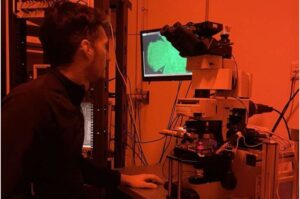
Flexible organic electrodes convert infrared light into nerve signals in damaged retinas
In an important step toward visual prostheses, biocompatible electrodes can convert infrared light into nerve impulses, as demonstrated by a team at TU Wien
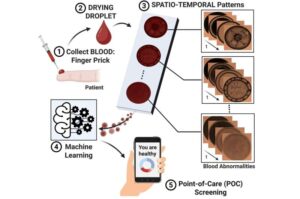
Researchers diagnose disease with a drop of blood, a microscope and AI
Not long ago, the idea of diagnosing a disease with a droplet of blood was considered a pipe dream. Today, this technology could soon become a reality.
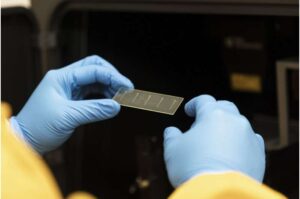
3D-printed blood vessels could unravel secrets of strokes
3D printed blood vessels on glass that mimic blood vessel anatomy and the fluid dynamics of blood flow could be an invaluable tool in studying the causes of stroke, new research from a University of Sydney team has found and it has already led to important insights.