
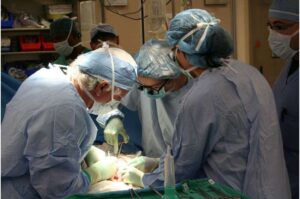
AI predicts when donor livers are viable, potentially slashing canceled transplants by 60%
There are more candidates on the waitlist for a liver transplant than there are available organs, yet about half the time a match is found with a donor who dies after cardiac arrest following the removal of life support, the transplant must be canceled.

Microfluidic device captures pancreatic cancer’s ‘seeds of metastasis’
Pinned between the stomach and spine, the pancreas supervises both digestion and blood sugar in the body. It’s also the site of an aggressive cancer called pancreatic ductal adenocarcinoma, or PDAC.
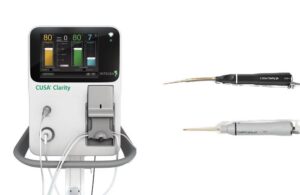
Integra wins FDA nod for ultrasonic surgical aspiratory system for cardiac surgeries
Integra LifeSciences (Nasdaq: IART)+
announced that it received FDA 510(k) clearance for its CUSA aspirator system for cardiac surgeries.

AI-powered app measuring menstrual volume launches in UK
In a move for women’s health, menstrual health startup Joii is launching the world’s first AI-powered app that accurately measures period blood volume in the UK, transforming a guessing game into hard data that benefits patients and clinicians alike.

BD Expands PureWick™ Portfolio with First-of-its-Kind Portable Solution to Confidently Manage Urinary Incontinence On the Go
FRANKLIN LAKES, N.J., Nov. 12, 2025 /PRNewswire/ — BD (Becton, Dickinson and Company) (NYSE: BDX), a leading global medical technology company, introduces the PureWick™ Portable Collection System, a discreet, first-of-its-kind, battery-powered personal urine management device designed for wheelchair users to help improve mobility around and outside the home.

Hubly Surgical Auto-Stop Drill Receives FDA 510(k) Clearance for Spinal Decompression Surgery: Laminectomy and Laminotomy
LISLE, Ill., Nov. 12, 2025 /PRNewswire/ — Hubly Surgical today announced FDA 510(k) clearance expanding Hubly Auto-Stop Drill indications to include spinal decompression procedures. To date, many thousands of neurosurgical patient lives have been saved using Hubly Auto-Stop Drills; the device’s SMART auto-stop halts rotation and prevents forward plunge at the instant of skull penetration, preventing over-drilling into patients’ brains. The new clearance expands use to laminectomy and laminotomy for spinal decompression to drill through the vertebral lamina and protect patients from damage to the spinal cord.
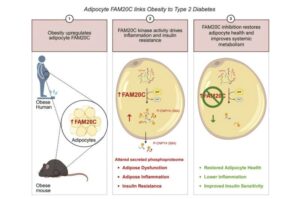
Blocking gene improves metabolic health in obese mice without weight loss
Weill Cornell Medicine investigators have identified an early step in a cellular process that leads to inflammation in fat cells and may result in type 2 diabetes in people with obesity.
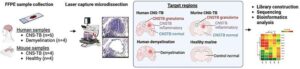
Repurposed antibiotic shows promise against central nervous system tuberculosis
Researchers at the Yong Loo Lin School of Medicine, National University of Singapore (NUS Medicine), have demonstrated that doxycycline, a commonly available and inexpensive antibiotic, can improve survival rates and neurological outcomes in central nervous system tuberculosis (CNS-TB) in a preclinical non-human study.