

A sweat-based sensor may help improve sleep quality
University of Texas at Dallas researchers, in partnership with Texas-based biotech company EnLiSense, have demonstrated a pioneering wearable perspiration-based sensor that measures two key hormones that regulate the body’s sleep-wake cycle.
New ALS treatment target identified: STAUFEN-1 protein reduction protects brain cells from death
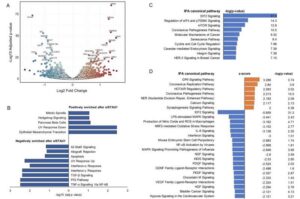
University of Utah researchers at the Pulst-Scoles Laboratory have discovered that reducing levels of the STAUFEN-1 protein can prevent neuron death caused by DNA damage and p53 activation in neurodegenerative diseases.

Proprio’s Fourth FDA Clearance Highlights Growing Shift to 3D Measurement in Spine Care
SEATTLE, Jan. 15, 2026 /PRNewswire/ — Proprio, the surgical technology company pioneering real-time, AI-powered intraoperative guidance and data-driven surgical workflows, today announced the U.S. Food and Drug Administration (FDA) has granted clearance for the “Picasso” feature. This marks the company’s fourth FDA-cleared capability within its Paradigm platform.

BD wins FDA nod for breast biopsy, tissue removal system
BD (NYSE: BDX)+
announced today that the FDA granted 510(k) clearance for its EnCore EnCompass breast biopsy and tissue removal system.
EndoQuest gets FDA green light to initiate final stage of surgical robot trial
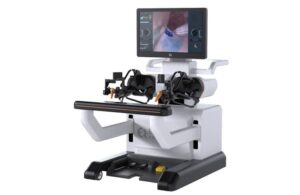
EndoQuest Robotics announced today that the FDA approved the initiation of the next and final stage of its PARADIGM trial.

Near-atomic imaging reveals promising target for ‘Brain on Fire’ condition
Scientists have identified a promising target for treatment of a devastating autoimmune disease affecting the brain.

The protein periostin may promote the spread of pancreatic cancer—and pain—through nerves
A new Brazilian study has revealed the key role of the protein periostin and stellate pancreatic cells in allowing pancreatic cancer to infiltrate nerves and spread early, increasing the risk of metastasis.

Blood metabolite signature offers improved prediction of type 2 diabetes risk
Diabetes, a metabolic disease, is on the rise worldwide, and over 90% of cases are type 2 diabetes, where the body does not effectively respond to insulin.