
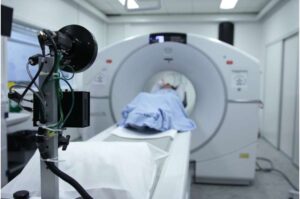
Second prostate-specific membrane antigen PET scan can change treatment for nearly half of prostate cancer patients
A second prostate-specific membrane antigen (PSMA) PET scan changed treatment plans for nearly half of patients whose first scan was negative.
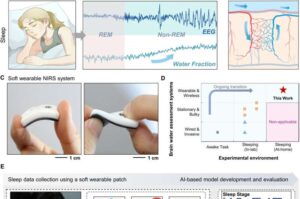
New soft wearable device could support at-home sleep monitoring
Good sleep is essential for brain health. During sleep and rest, the glymphatic system, the brain’s waste-clearing process, helps remove metabolic waste that accumulates during waking hours.
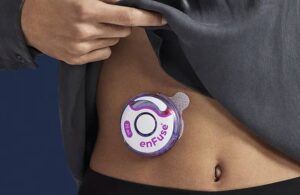
FDA approves Sanofi anticancer treatment delivered through Enable Injections on-body device
Sanofi announced today that the FDA approved the delivery of its Sarclisa anticancer therapy through the Enable Injections on-body device.
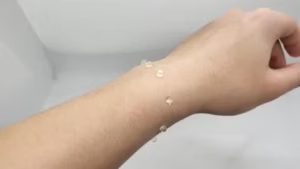
And You Thought a Smart Ring Was Discreet
Thread-based electronics that conform to the body could point toward softer, less obtrusive health monitors

Zeta wins FDA clearance for TMS robotic stereotactic system
Zeta Surgical announced today that it received FDA 510(k) clearance for its TMS Robotic System as a stereotaxic instrument.
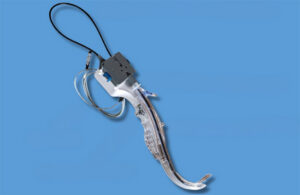
Spiro Robotics earns FDA clearance for image-guided system for tracheal intubation
Spiro Robotics earned FDA 510(k) clearance for its handheld, dual image-guided system for tracheal intubation, Spiro-VISTA.

Eco-friendly spiderweb-inspired pressure sensor for robotic hands may assist patients with Parkinson’s disease
A high-performance biodegradable pressure sensor has been developed as a key technology for wearable AI health care robotics and user-friendly robotic systems.

Softening aging ovaries could help extend fertility as women get older
Fertility declines as women get older for many reasons, such as a drop in egg quality, decreased follicle numbers and hardening of ovarian tissues.