
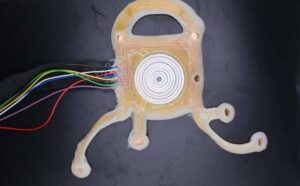
Get better sleep with ultrasound patch that boosts REM rest
A University of Texas at Austin-led team of researchers has developed a noninvasive patch that boosts REM sleep in real-world trials without surgery or medication.
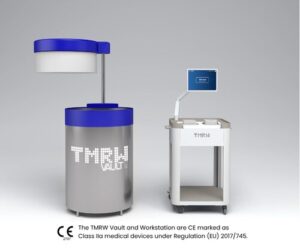
TMRW Vault® Receives CE Mark Under the European Medical Device Regulation (MDR)
WILMINGTON, Del., July 6, 2026 /PRNewswire/ — Reprotech today announced that the TMRW Vault® has received CE marking as a Class IIa medical device under Regulation (EU) 2017/745, supporting commercialization in the European Union and other international markets that recognize the CE mark.
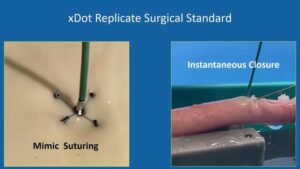
xDot Medical can begin FDA IDE study of vascular closure device
xDot Medical announced today that it received FDA investigational device exemption (IDE) approval for its access management system (AMS).
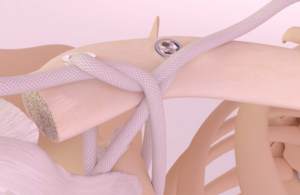
Movmedix gets FDA nod for third-gen synthetic shoulder implant
Movmedix announced today that it received FDA 510(k) clearance for its third-generation LARS ACJ synthetic ligament implant platform.
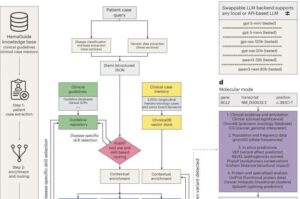
New AI system provides treatment recommendations for complex blood cancers
Researchers from the German Cancer Research Center (DKFZ), the HI-STEM* Stem Cell Institute and Heidelberg University Hospital (UKHD) have developed “HemaGuide,” an AI assistant that supports physicians in making difficult treatment decisions.
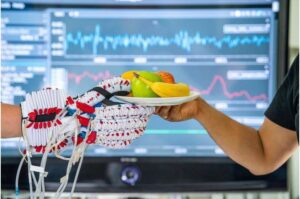
Special glove helps people with paralyzed hands grasp objects
The Technical University of Munich (TUM) has developed a soft, pneumatic glove that restores the ability of people with paralyzed hands to grasp object
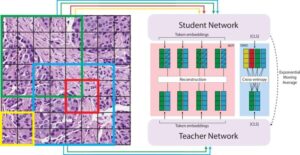
AI test predicts breast cancer recurrence in hours, not weeks, across 3,500 patients
In recent years, notable advances have been made in diagnosing and treating breast cancer. However, its recurrence continues to plague thousands, deepening the need to find ways to better predict the likelihood of its return.
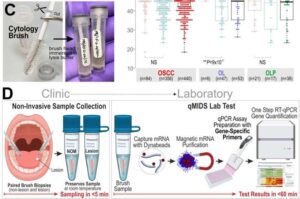
New brush test detects oral cancer in one hour
A paper published in the journal Biomarker Research by a cross-university team led by Queen Mary University of London researchers validates the use of a noninvasive brush biopsy test that can detect oral cancer within one hour.