
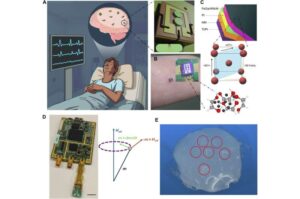
Ultra-small magnetoelectric antenna could unlock new generation of implantable devices
An international team of researchers led by the University of Glasgow has created a new type of ultra-small antenna that can wirelessly transmit data through tissue to external devices.
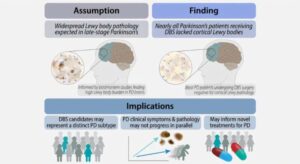
Parkinson’s patients undergoing deep brain stimulation show little to no cortical Lewy pathology
Researchers at the Icahn School of Medicine at Mount Sinai have found that patients with Parkinson’s disease undergoing deep brain stimulation (DBS) show little to no Lewy pathology in the prefrontal cortex at the time of their DBS surgery.
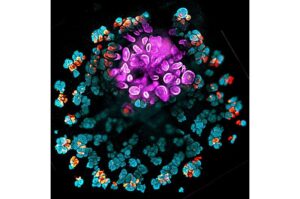
Stem cell scientists engineer ‘synthetic organizer’ cells to improve kidney organoids
In a study published in Science, USC researchers paired a biological discovery with an engineering feat to create more faithful, reproducible lab-grown kidney structures from stem cells, known as organoids.
Inhaled analgesia is as effective as morphine for early pain relief, study shows
Researchers have finally identified an effective alternative for providing pain relief during the earliest phase of prehospital care, when establishing intravenous access can be difficult. The study is published in The Lancet journal.
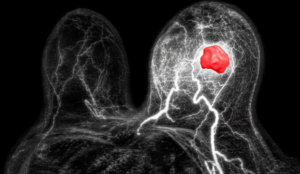
Quibim launches CE and UKCA-marked QP-Breast
Quibim has announced the European and UK launch of QP-Breast, its CE and UKCA-marked AI tool – the first in Europe and the United Kingdom to detect breast cancer using magnetic resonance imaging – which automatically identifies suspected lesions on breast MRI.
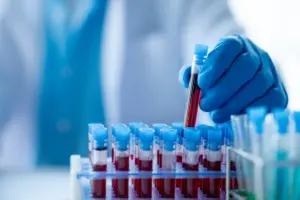
A Blood Test Could One Day Detect Over 50 Types of Cancer — What That Means for Cancer Care
What if you could detect early-stage cancer with a single blood test? A new screening tool claims to do exactly that by picking up abnormal DNA fragments circulating in the bloodstream.
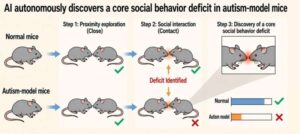
AI turns mouse movements into language-like tokens, uncovering autism-related social behavior patterns
An artificial intelligence model capable of reading and interpreting animal behavior like language has been developed by researchers at KAIST. The team created an AI model that learns behavioral data in a manner similar to natural language and was able to independently identify social behavioral deficits in an autism mouse model, opening a new avenue for interpretable neuroscience.
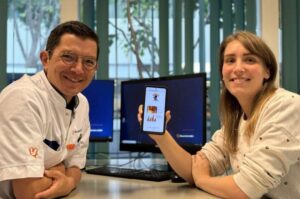
Voice changes measured with a mobile phone can signal a flare up in asthma or COPD
Voice changes, which can be recorded and measured with a mobile phone app, can signal a flare-up in symptoms for people with asthma or chronic obstructive pulmonary disease (COPD), according to a study published in ERJ Open Research.