
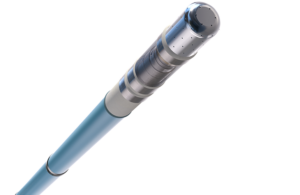
Johnson & Johnson wins FDA approval for ThermoCool SmartTouch dual-energy ablation system
Johnson & Johnson (NYSE:JNJ) announced today that it received FDA approval for its dual-energy ThermoCool SmartTouch SF platform (DE STSF).
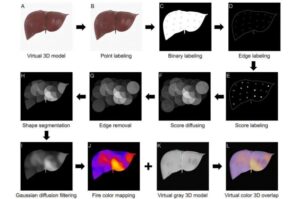
Portable PS-OCT scanner could reveal donor liver health without biopsy
Each year, thousands of patients in the United States wait for a liver transplant, while transplant teams must make rapid, difficult decisions about whether donor organs are suitable for use.

Researchers develop diagnostic model to detect COVID-related eye problems
Mild COVID-19 can cause severe and long-lasting eye problems, according to a study from Linköping University, Sweden.
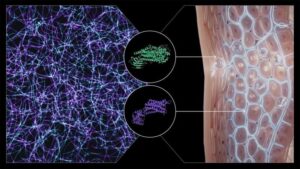
AI-guided CRISPR uncovers oxytocin receptor as unexpected psoriasis drug target
Biohub researchers have performed what they believe is the first genome-wide CRISPR study of primary human adult skin cells, then used an AI model to mine the results for overlooked drug targets for psoriasis.

Genome-edited stem cells dodge antibodies, raising hope for chemo-free transplants
Stem cell transplantation (also called bone marrow transplantation) and gene therapy are among the most powerful curative approaches for blood diseases such as sickle cell disease, b-thalassemia, immune deficiencies and some blood cancers.

Presage Technologies Earns FDA Clearance for Contactless Vital Signs, Makes Them Available for Free
FDA-cleared camera-based vital signs platform offers heart rate and breathing rate at no cost to hospitals, clinics, health organizations, and educators.

Vera moves into growing kidney disease space with FDA’s accelerated IgAN nod
Vera Therapeutics’ atacicept, to be marketed as Trutakna, will go up against Novartis, Otsuka and possibly Vertex in the kidney disease primary IgA nephropathy after receiving an accelerated FDA approval.
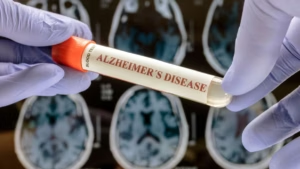
Beckman Coulter’s Alzheimer’s blood test obtains CE mark
Beckman Coulter’s assay is used to measure phosphorylated tau (pTau217) levels in the blood of individuals displaying signs of cognitive decline.