
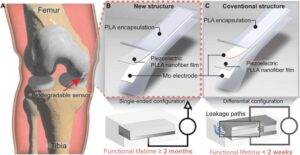
Wireless biodegradable sensor could help injured knees heal without dangerous overloading
A biodegradable pressure sensor could help people with knee injuries exercise and heal faster, University of Connecticut researchers report in Science Advances. The
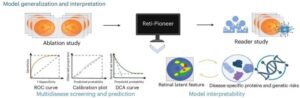
AI analyses of eye scans can detect diseases like diabetes, osteoporosis and thyroid disease in seconds
A new study presents an artificial intelligence system that scans images of the retina to detect signs of diabetes, high blood pressure, high cholesterol, gout, osteoporosis and thyroid disease in seconds.
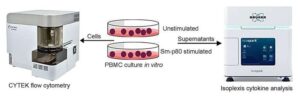
Experimental vaccine for ‘neglected disease’ carried by hundreds of millions of people shows promising results
New research shows that the only vaccine being tested to prevent and treat schistosomiasis can do both, and the researcher who made it possible is Afzal Siddiqui, Ph.D., from the Texas Tech University Health Sciences Center (TTUHSC).
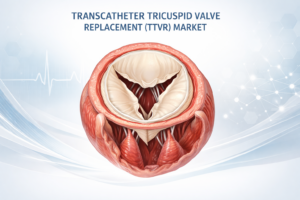
Laplace Announces FDA IDE Approval of TRIUMPH Pivotal Trial of Its Transcatheter Tricuspid Valve Replacement System
MINNEAPOLIS, June 29, 2026 /PRNewswire/ — Laplace Interventional today announced that the U.S. Food and Drug Administration (FDA) has approved an Investigational Device Exemption (IDE) for TRIUMPH, the company’s pivotal trial evaluating its Transcatheter Tricuspid Valve Replacement (TTVR) system.

IntelliGenome Receives INVIMA Approval for CRISPR-TB Blood Test
IntelliGenome, Inc., a molecular diagnostics company advancing next-generation tuberculosis detection technologies, today announced that Colombia’s National Institute for Food and Drug Surveillance (INVIMA) has granted sanitary registration for the CRISPR-TB Blood Test Kit.
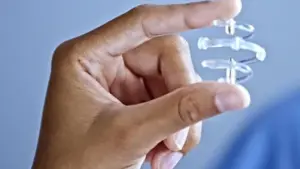
Edwards picks up FDA nod for left atrial appendage clip
Edwards Lifesciences (NYSE:EW) has earned FDA 510(k) clearance for Ecliptis, its left atrial appendage (LAA) exclusion system.
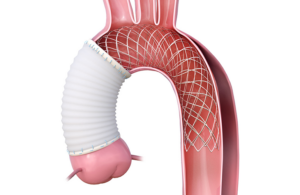
Artivion earns FDA nod for aortic arch prosthesis device
Artivion (NYSE:AORT) announced today that it received FDA premarket approval (PMA) for its AMDS Hybrid Prosthesis device.
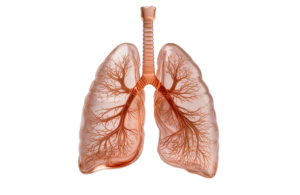
United Therapeutics gets FDA green light for lung perfusion device
United Therapeutics (Nasdaq:UTHR) announced today that the FDA granted premarket approval (PMA) for its LungFX perfusion device.