How to create “humble” AI
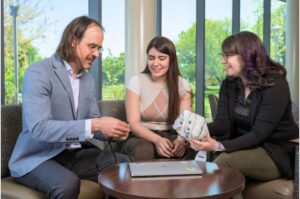
An MIT-led team is designing artificial intelligence systems for medical diagnosis that are more collaborative and forthcoming about uncertainty.

An MIT-led team is designing artificial intelligence systems for medical diagnosis that are more collaborative and forthcoming about uncertainty.

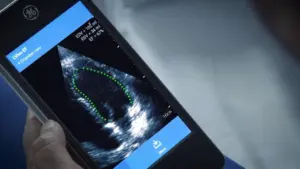
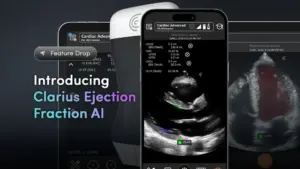
Applying artificial intelligence techniques to cardiac ultrasound data may make it easier to identify patients with advanced heart failure, a new study has found. The study—led by investigators at Weill Cornell Medicine, Cornell Tech, Cornell Ann S. Bowers College of Computing and Information Science, Columbia University Vagelos College of Physicians and Surgeons and NewYork-Presbyterian—offers the prospect of better care for many thousands of patients who may be overlooked due to the difficulty of diagnosing their condition.

No matter the size or severity, wounds on human skin are difficult to monitor while they heal. Biopsies disrupt the wound site and are too invasive for routine, repeated monitoring, and most medical imaging devices that could do the job are large, expensive, and booked up with more pressing diagnostics. Clinicians typically resort to visual inspection or quick measurements of the wound’s size over time.

There is a promising new drug for the rare disease mastocytosis, which is associated with skin lesions, among other things. Researchers at the University of Basel have now been able to use artificial intelligence to quantitatively measure for the first time the extent to which it reduces skin lesions.

Researchers at Mass General Brigham have developed a series of artificial intelligence (AI) tools that uses machine learning to identify individuals who may be at risk for intimate partner violence (IPV) using information from their electronic medical records (EMRs).

Characterized by weakened or damaged heart musculature, heart failure results in the gradual buildup of fluid in a patient’s lungs, legs, feet, and other parts of the body. The condition is chronic and incurable, often leading to arrhythmias or sudden cardiac arrest. For many centuries, bloodletting and leeches were the treatment of choice, famously practiced by barber surgeons in Europe, during a time when physicians rarely operated on patients.

An AI-driven tool that tailors antidepressant treatment to individual patients was shown to improve outcomes for people with depression, compared to standard treatment, in a major international trial.

A research team from the Department of Pharmacology and Pharmacy at the LKS Faculty of Medicine of the University of Hong Kong (HKUMed) has developed an innovative AI-based cardiovascular risk prediction tool, called CardiOmicScore

A research team led by Professor Jaehyuk Cho from the Department of Software Engineering at Jeonbuk National University in South Korea, have developed an innovative model, named BiT-MAML, aimed at tackling inter-patient variability in BG prediction.

Philips (NYSE: PHG)+ announced today that it received FDA 510(k) clearance for its SmartHeart planning solution.